Family camping for beginners: a first trip that goes well
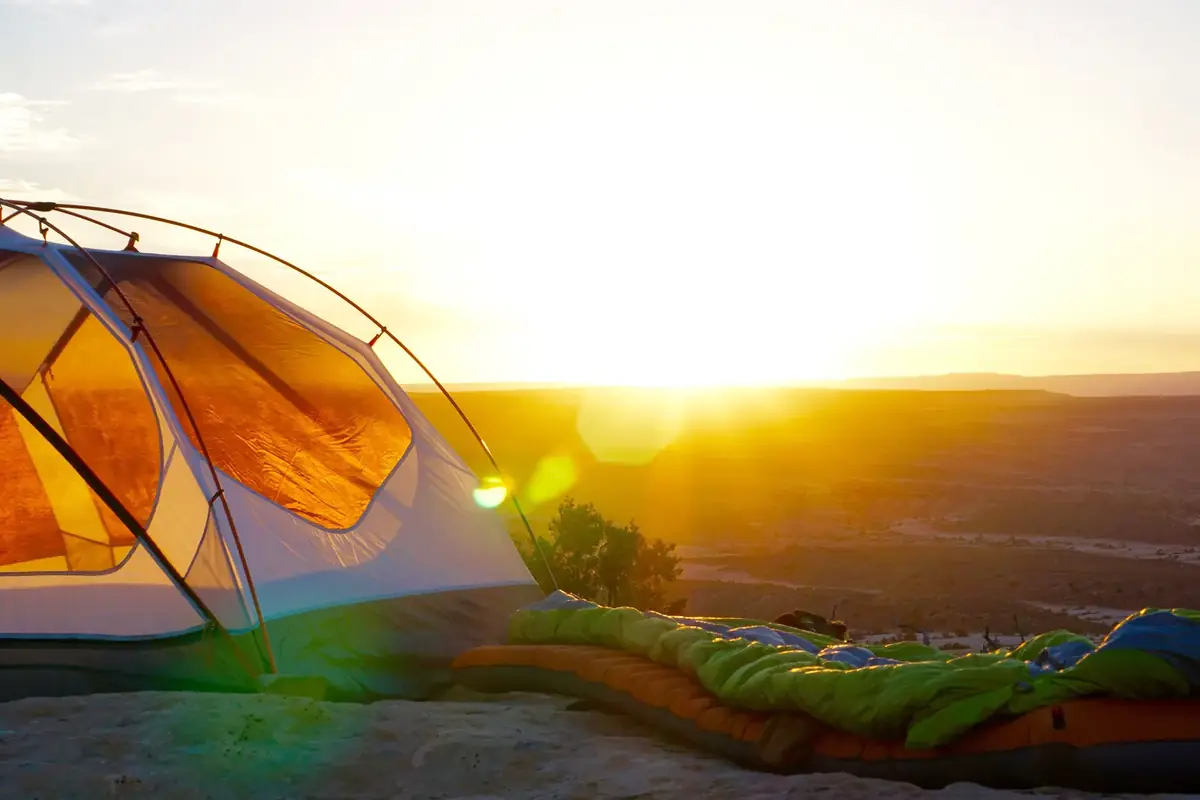
The first family camping trip sets the tone for every one after it. Keep it short, close to home and comfortable, and children (and adults) come back wanting more. Here is how to plan one that goes smoothly.
Choose an easy first campground
For a first trip, look for a developed campground rather than a remote site. That usually means:
- A short drive from home, so you can leave if the weather turns or someone is unwell.
- Drive-in sites where the car parks next to the tent ("car camping"), so you can bring more comfort and nothing has to be carried far.
- Toilets and drinking water. Showers are a bonus.
- Something to do nearby: an easy trail, a lake or creek to explore, a visitor centre.
One or two nights is plenty. A weekend gives you time to set up, have one full day, and pack up without rushing.
Booking
Popular campgrounds fill up early, especially on summer weekends and holidays. In the United States, many federal campgrounds (national parks, national forests and other federal lands) are booked through Recreation.gov, and most states run their own reservation sites for state parks, such as ReserveCalifornia. Check when bookings open for the dates you want, and read the site details: maximum number of people and vehicles, tent pad size, whether fires are allowed, and quiet hours.
Weekday nights and shoulder seasons (late spring, early autumn) are easier to book and quieter.
Kit list
A realistic gear list
You do not need to buy everything. Borrow from friends, check whether a local outdoor shop or club rents gear, and look for secondhand items.
Shelter and sleep
- A tent with room for everyone plus some bags. A tent sold as "four-person" is often a tight fit for four; families often size up.
- A sleeping bag for each person, suitable for the expected night temperatures, which are often much colder than the daytime suggests, particularly near water or at elevation.
- A sleeping pad or air mattress for each person. Insulation from the ground matters as much as the bag for staying warm.
- Pillows from home, and a warm hat for sleeping.
Kitchen
- A camp stove and fuel, a lighter or matches, a pot, a pan, utensils, plates, cups.
- A cooler with ice or ice packs.
- Water containers, a washing-up tub, biodegradable soap, a sponge, a towel and trash bags.
Camp
- Headlamps or flashlights for everyone, with spare batteries.
- Camp chairs, a tarp for shade or rain, rope.
- First-aid kit, sunscreen, insect repellent, any personal medicines.
- Layers of clothing including a rain jacket and a warm fleece or jacket for each person, and extra socks.
Practise at home
Pitch the tent in the garden or a park before the trip. You will find missing poles and confusing instructions at home rather than at dusk at the campsite. Children enjoy this, and a night in the tent in the garden is a good test of sleeping bags and pads.
Arriving and setting up
- Try to arrive with several hours of daylight left.
- Choose a flat spot for the tent, clear of stones and sticks, not in a dip where rain will collect, and not under dead branches.
- Pitch the tent first, then set up the kitchen area a little away from it.
- Give each child a job: unrolling sleeping bags, collecting the tent stakes, filling water containers.
Sleeping warm and well
Cold, poor sleep is the most common reason first trips go badly. A few habits help:
- Change into dry clothes for bed; damp clothes from the day make you cold.
- Put a pad under every sleeping bag. On cold nights, a blanket under the pad adds insulation.
- Wear a hat and warm socks.
- Use the toilet just before bed, and keep a headlamp where you can find it in the dark.
- Never bring a stove, heater or charcoal into the tent for warmth: it can cause carbon monoxide poisoning. The campfire and stove safety guide explains why.
Food: simple and familiar
Plan simple meals that the family already likes. Prepare as much as possible at home: chop vegetables, mix pancake batter dry ingredients in a bag, marinate meat and freeze it so it acts as an extra ice pack. Keep raw meat at the bottom of the cooler, well wrapped.
A camp treat helps everyone remember the trip fondly: toasted marshmallows, doughnuts made from canned biscuit dough, or popcorn in a pot.
Wildlife and food storage
Follow the campground's food storage rules. Many campgrounds, particularly in bear country, require all food, coolers, trash and scented items such as toothpaste to be stored in a metal food locker or a closed, hard-sided vehicle when not in use; some do not allow food in cars at all. Never keep food in the tent. Keep a clean camp so animals are not tempted, and teach children never to feed wildlife, even small animals like squirrels and birds.
Keeping kids busy and safe
Things to do
- A short hike with a goal: a lake, a viewpoint, a big tree.
- A nature scavenger hunt: a pine cone, a feather, something rough, something smooth, an animal track (look, do not collect, where collecting is not allowed).
- Many U.S. national parks run a free Junior Ranger programme with activity books for children.
- Stargazing after dark, card games by headlamp, stories.
Safety rules to agree on
- Stay within sight of an adult, and do not go near water without one.
- Give each child a whistle and teach them: if lost, stay put and blow three blasts.
- The stove and fire area is off limits without an adult.
- Check everyone for ticks after walks in long grass or brush, especially at the hairline, behind ears and in skin folds.
Leave it better than you found it
Before leaving, walk the site together and pick up every scrap, including small things like twist ties and bottle caps. Make sure any fire is completely out and cold. These are part of the Leave No Trace principles, which are worth learning as a family.
After the trip
Dry the tent fully before storing it, even if it was dry when you packed it; condensation can cause mildew. Make a short list of what you missed and what you never used. That list makes the second trip easier than the first.
For packing tips that also work for camping weekends, see how to pack light for a long weekend.
 Camp & seasonal kitchen
Campfire and camp stove safety
Stoves, fire rings, putting a fire out cold, and carbon monoxide.
 Trails & campsites
How to choose hiking boots
Trail shoes or boots, fit in the shop, breaking in, buying secondhand.
 Camp & seasonal kitchen
Campfire doughnuts from canned biscuits
Gear, oil depth and temperature, frying safely outdoors, coatings.