Campfire and camp stove safety: a practical checklist
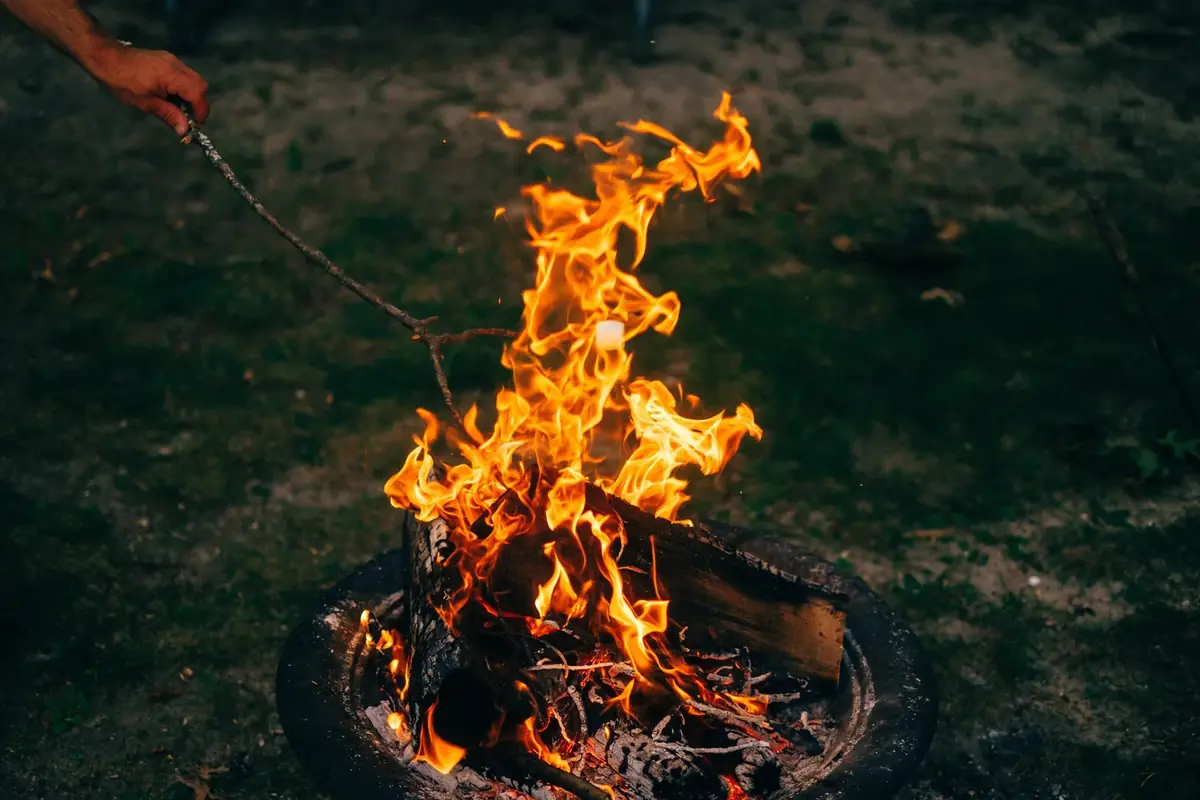
Most camp cooking happens on two kinds of heat: a gas stove and a wood fire. Both are easy to use well and easy to use badly. This checklist covers the habits that matter, from where you put the stove to how you leave a fire ring in the morning.
Before you go: check the rules
Fire rules depend on where you camp and change with the season and the weather. A campground, a national forest and a state park can each have different rules, and during high fire danger a land manager may ban wood fires entirely, or allow only stoves with an on/off valve. Look at the land manager's website or call the ranger station shortly before you leave, and read the notice board at the entrance when you arrive. A rule posted at the site applies even if your guidebook says otherwise.
Also check whether you may gather wood. Many campgrounds prohibit collecting it, and moving firewood over long distances can spread tree pests; buying or collecting wood near where you will burn it is the usual advice from forestry agencies.
Setting up a camp stove
- Level and solid. Put the stove on a picnic table or on flat, bare ground. A stove that rocks will tip a pot sooner or later.
- Clear space. Keep it away from tent walls, dry grass, low branches and the path people walk through camp. Keep paper towels, packaging and spare fuel out of the immediate area.
- Outdoors only. Never cook or heat with a fuel-burning stove inside a tent, camper or other enclosed shelter. Stoves produce carbon monoxide, which you cannot see or smell, and the U.S. Centers for Disease Control and Prevention has warned that opening tent flaps or windows is not enough to prevent a dangerous build-up (CDC, MMWR report on carbon monoxide and camping). Headache, dizziness, nausea and confusion can be early signs; move the person to fresh air and get help.
- Connect fuel carefully. Attach canisters or hoses with the valves closed, away from any flame, and follow the stove maker's instructions. If you smell gas, shut the valve and do not light anything until the leak is fixed.
- Wind. Shelter the stove with a purpose-made windscreen or by parking the car upwind. Do not wrap a gas canister in a windscreen unless the stove maker says it is designed for that, since a hot canister can be dangerous.
- Light, then add the pot. Light the burner first, adjust the flame, then put the pot on. Turn handles inward so nobody catches them walking past.
Choosing and building a campfire
Use the existing ring
In established campgrounds, use the metal ring or fire pit that is already there. Do not build a new ring of stones next to it. The Leave No Trace principles recommend using established rings, keeping fires small, burning wood to ash and putting fires out completely.
Clear around it
Before lighting, look at the ground and the air: no overhanging branches, no dry leaves or grass at the edge of the ring, and nothing flammable such as camp chairs or jackets close enough to catch a spark. Keep a bucket of water and a shovel or stick for stirring next to the fire before you light it, not after.
Keep it small
A fire the size you need for cooking is easier to control and to put out than a bonfire. For cooking, the useful part is a bed of glowing coals rather than tall flames, so start the fire well before you want to eat and let it burn down.
Wood
Use dead, down wood that you can break by hand, if gathering is allowed, or bundles bought locally. Do not burn trash, food packaging or plastics: they leave residue in the ring and release fumes.
Cooking over a fire
- Use a sturdy grill grate that sits firmly on the ring, or a tripod made for the purpose.
- Heavy cast-iron pans and Dutch ovens spread uneven fire heat better than thin pans.
- Rake coals to one side for gentle heat and leave the other side hotter, so you have two "burners".
- Use long-handled tools and heat-resistant gloves; cast iron handles get as hot as the pan.
- Frying in deep oil is best done on a stove, where you can turn the heat down. The camp doughnut guide explains oil depth, temperature and safety.
If something catches fire
| Situation | Do | Do not |
|---|---|---|
| Oil in a pot catches fire | Turn off the stove valve if you can reach it safely, slide a lid or baking sheet over the pot and leave it covered. The U.S. Fire Administration advises keeping a lid or baking sheet nearby for this (USFA). | Throw water on it, or carry the pot away. |
| A small flare-up at the stove | Close the fuel valve. | Lean over the stove to blow it out. |
| A spark lights grass near the ring | Douse it with water and stir the spot until it is cold. | Assume it went out on its own. |
| Fire spreads beyond what you can control | Get everyone away and call the emergency number. | Stay to save gear. |
Clothing on fire: stop, drop to the ground, cover the face and roll. Cool burns under cool running water and get medical care for anything beyond a small, minor burn.
Putting a fire out cold
The method promoted by Smokey Bear and the U.S. Forest Service is simple: drown, stir, drown again, feel (Smokey Bear, maintaining and extinguishing a campfire).
- Pour plenty of water over the fire until the hissing stops.
- Stir the ashes and embers with a shovel or stick, scraping partly burned wood so wet ash reaches every coal.
- Pour on more water.
- Hold the back of your hand close to the ashes, without touching them. If you feel any heat, stir and add water again. If it is too hot to touch, it is too hot to leave.
Do this before bed as well as before leaving camp. Dirt alone is not a reliable way to put out a fire: it can insulate coals that keep smouldering.
Storing fuel and packing up
- Store gas canisters and fuel bottles upright, closed, in the shade and away from the fire and the tent.
- Let stoves cool before packing them.
- Pack out empty canisters and follow the local rules for recycling or disposal; do not put them in a fire.
- Leave the fire ring clean: no foil, cans or food scraps.
Checklist
A one-minute checklist
- Rules checked for the date and place.
- Stove on a level surface, outdoors, away from the tent.
- Lid, water bucket and shovel beside the cooking area.
- One adult always watching the stove or the fire.
- Fire drowned, stirred and cold before sleep and before leaving.
 Camp & seasonal kitchen
Campfire doughnuts from canned biscuits
Gear, oil depth and temperature, frying safely outdoors, coatings.
 Trails & campsites
Family camping for beginners
Campground, gear, sleeping warm, food, and keeping kids happy.
 Trails & campsites
Packing light for a long weekend
One carry-on, a small wardrobe, liquids rules and a checklist.