How to pack light for a long weekend (carry-on only)
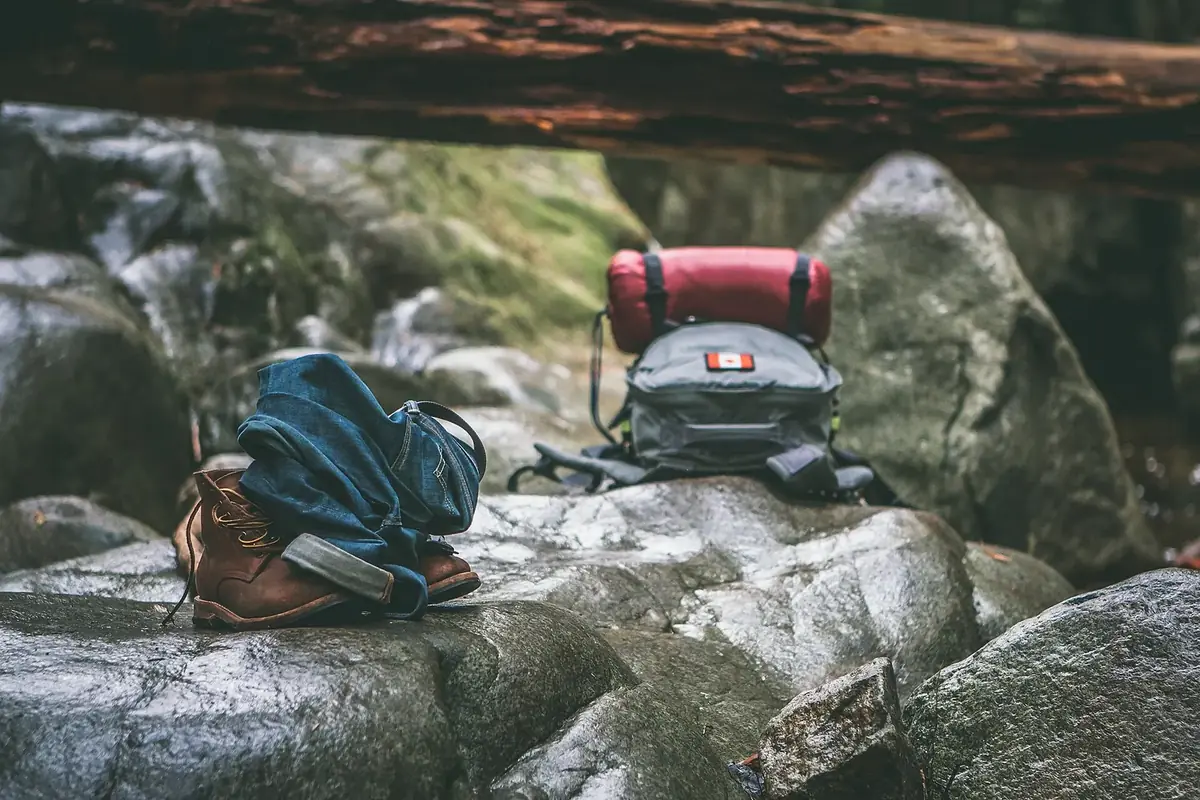
A long weekend fits in one small bag if you plan the clothes as a set rather than packing outfit by outfit. Travelling light makes everything easier: no checked bags, no waiting at the carousel, and less to carry from the car to a cabin or a campsite.
Step 1: plan around the trip, not the "what ifs"
Write down, in one line each, what you will actually do: "Friday evening dinner out, Saturday hike, Sunday city walk, Monday travel home". Then check the forecast for the place, including night temperatures. Packing for that list, plus one layer for bad weather, is almost always enough. Most "just in case" items come home unworn.
Step 2: build a small wardrobe that mixes
Pick one or two base colours (say navy and grey, or olive and cream) and one accent colour. When everything goes with everything, a handful of pieces makes many outfits.
For a three- to four-day trip in mild weather, a typical capsule looks like this:
| Item | How many | Notes |
|---|---|---|
| Bottoms | 2 | One casual (jeans or hiking trousers), one smarter or a skirt; wear the bulkier one while travelling |
| Tops | 3–4 | T-shirts or shirts that all work with both bottoms |
| Warm layer | 1 | A fleece, merino or cardigan |
| Outer layer | 1 | A packable rain jacket, or your warmest coat worn on the journey |
| Dress or smarter outfit | 0–1 | Only if your plans include it |
| Underwear and socks | One per day, plus one | Merino or synthetic socks dry fast if you need to wash them |
| Sleepwear | 1 | Or a T-shirt that doubles as one |
| Shoes | 2 pairs total | Wear the heavier pair; pack the lighter one |
Accessories change outfits for almost no space: a scarf, a belt, a pair of earrings. They are also the easiest place to bring a favourite vintage piece without packing a whole extra outfit.
Step 3: choose fabrics that travel
- Knits (jersey, merino, fine wool) resist creasing and can be rolled.
- Merino wool can be worn more than once between washes in many situations and is comfortable over a wide range of temperatures.
- Linen and crisp cotton crease easily. Fold them carefully or accept the rumpled look.
- Denim is heavy and slow to dry. Wear jeans on the journey rather than packing them.
Step 4: rolling, folding and packing cubes
There is no single best method; use each where it works best.
- Roll T-shirts, knitwear, leggings and casual trousers. Rolls fill gaps and are easy to see when you open the bag.
- Fold structured items such as shirts and blazers, in large flat folds, laid on top so nothing presses on them.
- Packing cubes or bags keep categories together (tops in one, underwear in another) and make it easier to live out of a bag without unpacking everything. Compression cubes save space but make the bag heavier for its size.
- Use the shoes: socks, chargers and small fragile things fit inside them. Put shoes in a bag or shower cap to keep clothes clean.
Pack heavy items at the bottom near the wheels of a roller, or close to your back in a backpack, so the bag balances well.
Step 5: toiletries and liquids
For flights from U.S. airports, the TSA's "3-1-1" rule for carry-on bags allows liquids, gels, aerosols, creams and pastes in containers of 3.4 ounces (100 millilitres) or less per item, all fitting in one quart-sized bag, one bag per passenger (TSA, liquids rule). Rules differ in other countries and can change, so check the airport or airline before you fly.
Ways to keep the bag small:
- Solid versions of shampoo, conditioner, soap and sunscreen sticks do not count as liquids in most screening rules, but check the current guidance for your route.
- Decant into small refillable bottles rather than buying travel minis every time.
- Check what your accommodation provides; many have soap, shampoo and a hair dryer.
- One multi-use product (a tinted moisturiser with sunscreen, a balm for lips and dry skin) replaces several.
Step 6: the small things that get forgotten
- Phone charger and cable, and a plug adapter if travelling abroad.
- Medicines in their original packaging, plus a few days extra in case of delays.
- ID, tickets, booking confirmations (saved offline as well as in email).
- A small tote bag for groceries, beach days or dirty laundry.
- A reusable water bottle (empty through airport security, refill after).
- Earplugs and an eye mask for unfamiliar rooms.
For a camping or cabin weekend
When the destination is outdoors, swap the smart outfit for practical layers:
- A base layer that is not cotton, a warm mid-layer and a waterproof shell.
- A warm hat and gloves for the evenings, even in summer if you will be at altitude or near the coast.
- Comfortable broken-in footwear; see how to choose hiking boots.
- A headlamp, sunglasses and sunscreen.
The family camping guide has a full gear list for camping trips.
Packing the night before
- Lay everything out on the bed first. Remove one top and anything you packed "just in case".
- Pack the bag and lift it: if it feels heavy now, it will feel heavier on day three.
- Put travel documents, phone, charger, keys and medicines in one place by the door.
- Leave a little free space for anything you buy on the trip.
Checklist
Long-weekend checklist
- 2 bottoms, 3–4 tops, 1 warm layer, 1 rain or outer layer
- Underwear and socks: days + 1
- Sleepwear
- 2 pairs of shoes (one worn)
- Toiletry bag, liquids bag if flying
- Medicines
- Phone, charger, adapter
- ID, tickets, bookings
- Tote bag, water bottle
 Trails & campsites
How to choose hiking boots
Trail shoes or boots, fit in the shop, breaking in, buying secondhand.
 Trails & campsites
Family camping for beginners
Campground, gear, sleeping warm, food, and keeping kids happy.
 Thrift & vintage
How to buy vintage clothes
Where to look, vintage sizing, what to inspect, label clues.