How to buy vintage and secondhand clothes: a practical guide
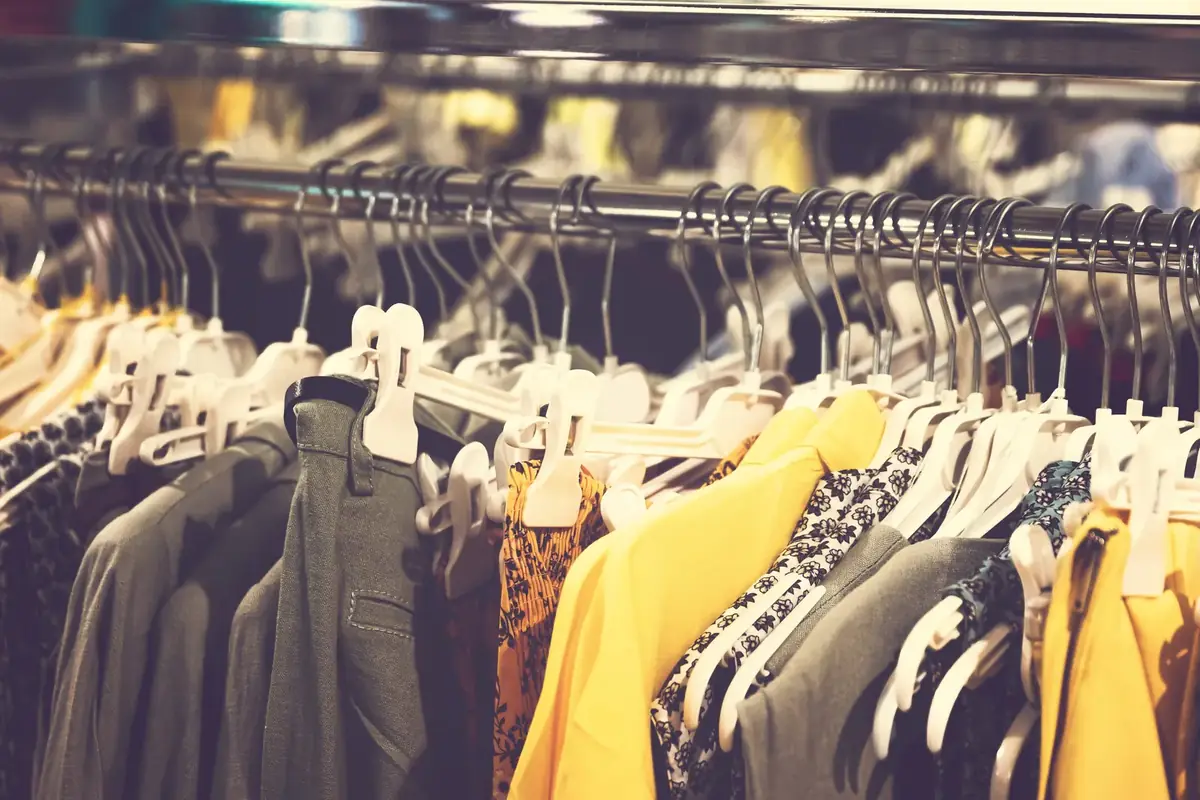
Secondhand clothes are cheaper, often better made than new fast fashion, and keep usable garments out of landfill. Vintage adds the pleasure of owning something nobody else at the party has. Buying well is a skill, though, and it comes down to three things: knowing where to look, checking the garment properly, and being honest about fit.
Where to look
| Where | Typical strengths | Watch out for |
|---|---|---|
| Charity and thrift stores | Lowest prices, huge variety, frequent new stock | Unsorted racks; you need time and patience |
| Consignment and resale shops | Edited selection, recent brands in good condition | Higher prices; less true "vintage" |
| Vintage boutiques and pop-up markets | Curated, cleaned, often repaired pieces; staff who know their stock | You pay for the curation |
| Flea markets and estate sales | Real finds, room to negotiate | Condition varies; usually no returns; often cash |
| Online marketplaces | Search by size, era and brand from home | You cannot touch or try; read measurements and return rules carefully |
Thrift stores restock constantly, so visiting often beats one long trip. Some have colour-tag sales on certain days; ask at the till.
Sizing: measure, do not trust the tag
Size labels have changed over the decades, and a vintage size on the tag often corresponds to a much smaller modern size. Sizes also differ between brands and countries. The only reliable method is measuring.
- At home, measure a few garments that fit you well: chest or bust across from armpit to armpit, waist across, hips across, length, sleeve length and, for trousers, inseam and rise.
- Write the numbers down in your phone and carry a small tape measure when you shop.
- Lay the garment flat and measure the same points. Compare with your list.
- Remember that non-stretch fabrics (most older woven garments) need some ease: a fitted woven dress usually needs a few centimetres more than your body measurement to be comfortable.
When buying online, ask the seller for measurements if they are missing. "Fits like a medium" is not a measurement.
The inspection checklist
Look at the garment in good light, inside and out. It takes a minute and prevents most disappointments.
- Underarms and collar: yellow or brown staining and fabric weakened by sweat are common and often permanent.
- Seams: pull gently at the side seams and crotch seam. Loose stitching is easy to fix; fabric splitting next to the seam is not.
- Fabric strength: very old fabrics, especially silks and some early synthetics, can become brittle. If a gentle tug makes it tear or "shatter", it will not survive wearing.
- Holes: hold knits up to the light. Small scattered holes in wool can mean moths, and moths can spread to your other clothes. Freeze or clean such pieces before they go in your wardrobe.
- Stains: note where they are. A mark on the hem can sometimes be hidden; one on the front chest rarely can.
- Zips, buttons, snaps: check that zips run smoothly and all buttons are present. Matching vintage buttons can be hard to find.
- Smell: musty or smoky smells often wash or air out; strong mildew may not.
- Shape: check for stretched-out knit cuffs and waistbands, shiny worn patches on trousers, and pilling.
Easy fixes and deal-breakers
| Usually easy or cheap to fix | Usually not worth it |
|---|---|
| Missing buttons (replace the whole set) | Underarm fabric rotted or split |
| Loose hems and open seams | Brittle or shattering silk |
| Taking in a waist or shortening a hem | Letting out a garment with no seam allowance left |
| Musty smell | Large set-in stains on the front |
| Replacing a standard zip (with a tailor) | Widespread moth damage in knits |
The guide to cleaning and mending secondhand clothes explains the easy fixes step by step.
Reading labels for rough dating
Dating clothing precisely is the work of specialists, but labels and construction give useful hints.
- RN numbers. In the United States, a "Registered Identification Number" on a label identifies the company that made, imported or sold the garment. You can look one up in the Federal Trade Commission's RN database. The result tells you which business holds the number, which can help you research a label; it does not tell you when the garment itself was made, since companies keep using their numbers for years.
- Union labels. Some American garments carry the label of a garment workers' union. Collectors use the design of these labels as a dating clue; vintage collector resources show examples.
- Care and fibre labels. Modern garments sold in the U.S. carry care instructions under the FTC's Care Labeling Rule. Older or homemade pieces often have no care label at all.
- Construction. Metal zips, hand-finished seams, generous seam allowances and labels sewn rather than printed are typical of older garments. None of these is proof on its own, and reproductions exist.
If the age of a piece matters to you (for a significant price, for example), ask the seller what they know and look at the garment as a whole rather than one detail.
Spend or save?
A simple way to decide how much a secondhand piece is worth to you is the cost per wear: the price divided by the number of times you realistically expect to wear it. A well-made coat you will wear every winter for years can justify a higher price; a novelty item for one party should be cheap.
Pieces worth spending more on, if they fit and are in good condition:
- Outerwear in wool or leather with sound linings.
- Leather shoes and boots with resolable soles.
- Good knitwear in wool or cashmere without holes.
- Leather belts and bags with sturdy hardware.
Save on trend pieces, items that need major alteration, and anything you are buying only because it is a bargain.
Fit and alterations
A garment that is a little too large is much easier to alter than one that is too small. Taking in side seams, shortening hems and sleeves, and moving buttons are routine tailoring jobs. Shoulders are the hardest part to change: if the shoulders fit, most other things can be adjusted.
Before paying for an alteration, add its cost to the price and ask whether you would still buy the piece at that total.
Shopping habits that help
- Keep a short wish list on your phone (a navy wool coat, a denim jacket, brown boots) so you search with purpose.
- Wear clothes you can try things over: leggings and a fitted top.
- Check the men's, women's and children's racks; sizes and cuts overlap.
- Ask about the return policy before you pay; many thrift stores have none.
- Wash or clean everything before you wear it or put it in your wardrobe.
Shopping secondhand for outdoor gear too? The hiking boots guide covers what to check on used boots.
 Thrift & vintage
Cleaning and mending thrift finds
Washing by fabric, smells, moths, buttons, seams and hems.
 Trails & campsites
How to choose hiking boots
Trail shoes or boots, fit in the shop, breaking in, buying secondhand.
 Home & handmade
A calm bedroom on a small budget
Edit, set a colour plan, layer textiles and shop secondhand.