A calm, personal bedroom on a small budget
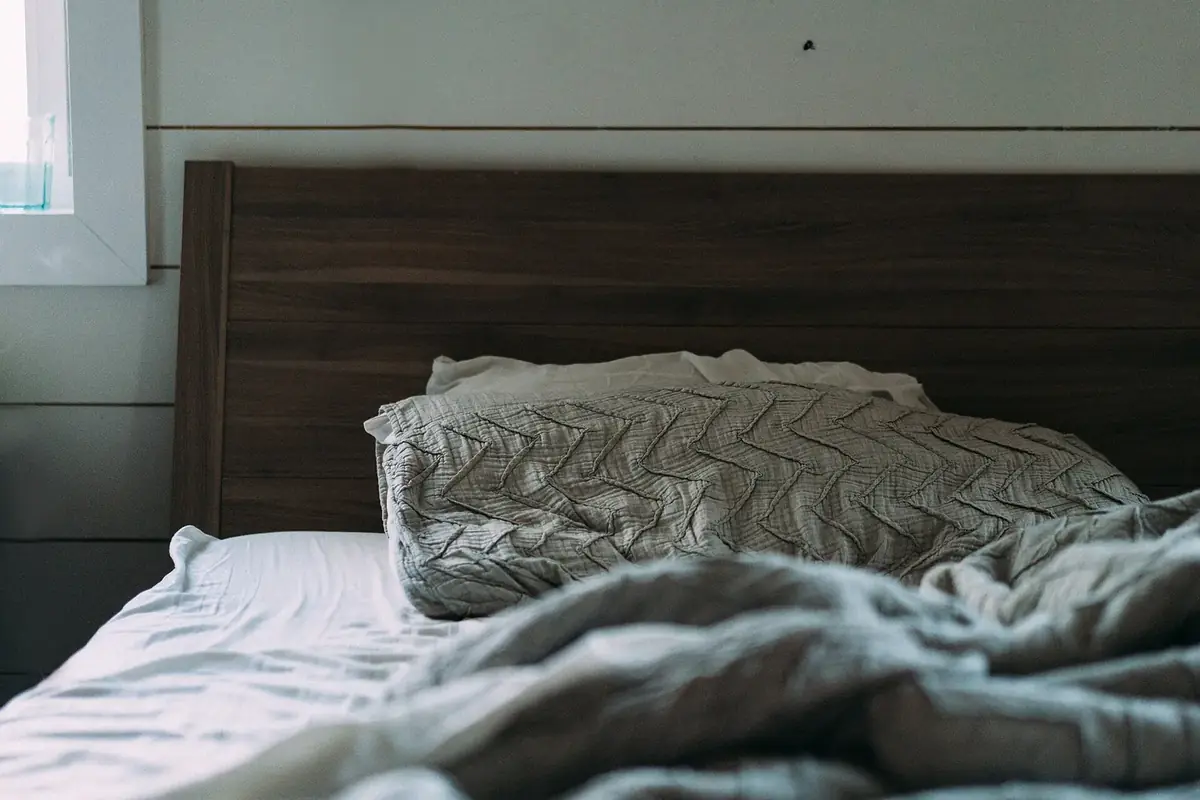
A bedroom does not need new furniture to feel new. Most of the change comes from removing clutter, choosing a colour plan and layering a few textiles and lamps, and much of that can be found secondhand or made at home. This is a step-by-step approach, written with renters in mind.
Step 1: edit before you add
Take everything out that does not belong in a bedroom: the exercise bike used as a clothes rack, the stack of paperwork, the boxes "to sort later". Then look at what is left with fresh eyes.
- Clear the surfaces: bedside table, chest of drawers, windowsill. Keep only what you use daily and one or two things you love.
- Move furniture if the layout fights you. Can you get into bed from both sides? Does the door open fully? Is the bed under the window letting in draughts?
- Find storage for the things that must stay: boxes under the bed, hooks on the back of the door, a basket for throws.
This step is free, and it is often the biggest improvement.
Step 2: choose a colour plan
A simple plan keeps purchases coherent. Pick:
- A main colour for the largest areas, usually walls and bedding. Soft, muted colours are restful: warm whites, sand, sage, dusty blue.
- A secondary colour for a few medium-size things, such as a throw, curtains or a rug.
- An accent for small touches: cushions, a vase, a picture frame. Clay pink, rust, ochre and deep green all work with natural wood.
Take a photo of the room and of anything you are keeping, such as a headboard or a rug, and refer to it when shopping, so you buy things that go together.
Step 3: the bed is the centrepiece
Layer the bedding
A layered bed looks inviting and lets you adjust warmth by season.
- A plain fitted sheet and a duvet or blankets in your main colour.
- A folded throw or quilt across the foot of the bed in your secondary colour or a pattern.
- Two pillows to sleep on, plus one or two decorative cushions. More than that and you spend every night moving them.
Thrift stores often have barely used duvet covers, quilts and wool blankets. Wash everything on the hottest setting the fabric allows before use; see cleaning secondhand textiles for fabric-by-fabric advice.
A headboard without buying one
- Hang a textile, such as a kilim, a quilt or a length of fabric, from a rod above the bed.
- Paint a rectangle or an arch on the wall behind the bed in your accent colour (with the landlord's permission, if renting).
- Lean a large secondhand mirror or framed print behind the bed, secured to the wall.
Step 4: light it properly
Bedrooms with only an overhead light feel flat. Aim for at least two or three light sources at different heights:
- A bedside lamp on each side, or a wall-mounted reading light where space is tight.
- A floor lamp or a lamp on the chest of drawers for an evening glow.
- Warm-white bulbs for evening light. The colour temperature is printed on the box in kelvin; lower numbers look warmer.
Lamps are among the best value secondhand finds. Check the cable and plug for damage, and if in doubt have it checked by an electrician before using it; you can always swap in a new shade.
Step 5: soften the floor and windows
- A rug next to the bed, or partly under it, makes mornings warmer and absorbs sound. A flatwoven rug is affordable and easy to clean; see how to choose and care for a kilim or Southwestern-style rug.
- Curtains hung higher and wider than the window make it look larger. Tension rods and adhesive hooks avoid drilling in rentals.
- Blackout lining clipped or sewn behind existing curtains improves sleep for less than new blackout curtains.
Step 6: furniture, secondhand and refreshed
Solid wood furniture from thrift stores and online listings is often better made and cheaper than new flat-pack pieces. When buying:
- Open every drawer: they should run smoothly and the joints should be tight.
- Check for wobbling legs and water damage.
- Smell inside drawers; musty smells can often be cleared with airing and a bowl of baking soda, but strong mildew may not.
Easy refreshes: new knobs or handles, a good clean and a coat of furniture wax, or paint. If you sand or strip old painted furniture, be aware that paint on older pieces can contain lead; the U.S. Environmental Protection Agency explains sources of lead and how to reduce exposure. When in doubt, paint over sound old paint rather than sanding it.
Step 7: add something handmade
Personal pieces make a room feel like yours, and they cost little.
- A macramé plant hanger with a trailing plant by the window.
- Framed postcards, pressed leaves, fabric scraps or a vintage scarf in inexpensive frames.
- Cushion covers sewn from a thrifted tablecloth or a worn-out favourite shirt.
- A small shelf of the books you are actually reading.
Plants for the bedroom
Choose plants for the light you have. Pothos, snake plants and ZZ plants tolerate lower light; herbs and most flowering plants need a sunny windowsill. If you have pets or small children, check that a plant is not toxic to them before bringing it home; the ASPCA keeps a list of plants toxic and non-toxic to pets.
A simple spending order
If the budget is tight, spend in this order, because each step changes the room more than the next:
- Free: edit, clean, rearrange.
- Bedding and a throw in your colour plan.
- Lamps and warm bulbs.
- A rug and curtains.
- Handmade and secondhand decor.
- Furniture, only if what you have truly does not work.
 Home & handmade
Southwestern-style rugs and kilims
Reading a rug's construction, 'Indian-made' rules, and care.
 Home & handmade
Macramé for beginners
Cord, four basic knots and a first plant hanger.
 Thrift & vintage
Cleaning and mending thrift finds
Washing by fabric, smells, moths, buttons, seams and hems.