Buying secondhand furniture: what to check before you carry it home
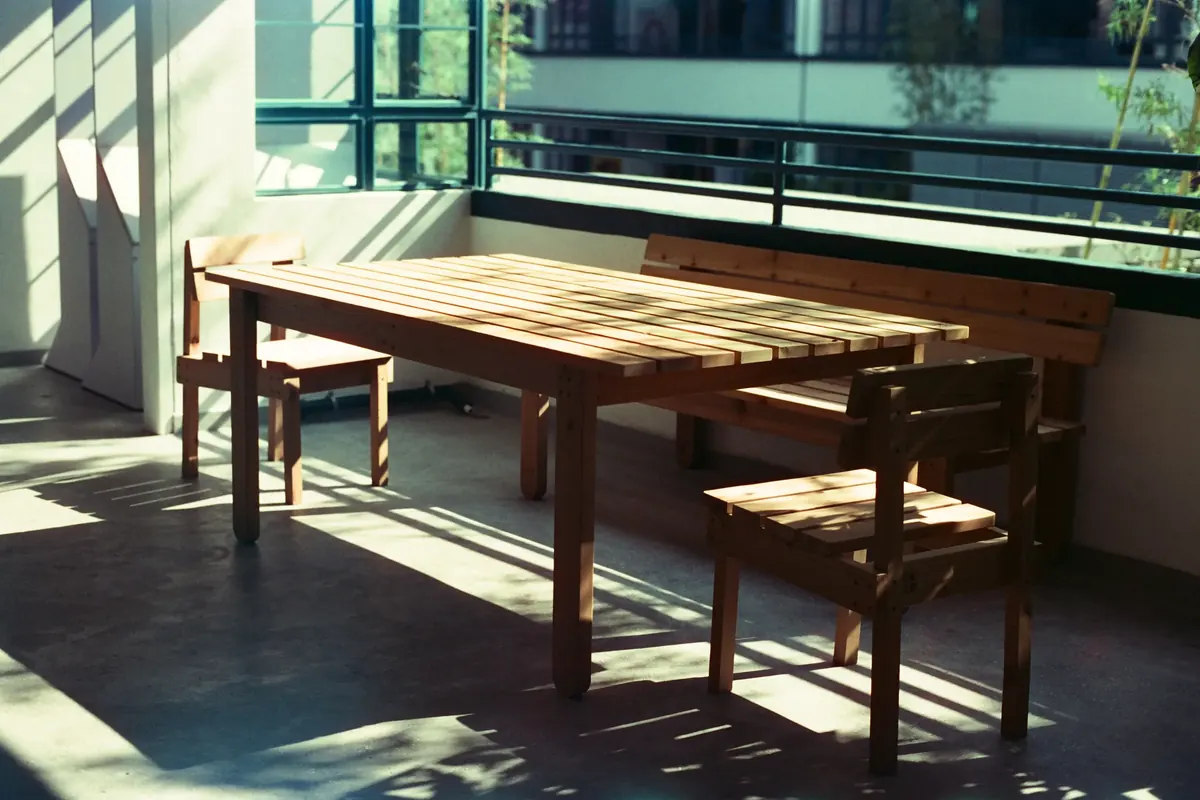
Secondhand furniture is one of the best deals going: older pieces are often better built than new budget furniture, they cost a fraction of the price, and buying them keeps heavy, useful things out of landfill. The trick is knowing which faults are cosmetic and which mean walking away. This guide goes piece by piece, then covers the few safety issues that really matter.
Where to look
- Charity and thrift shops, especially larger stores with a furniture floor or warehouse.
- Online classifieds and local "free" groups, where people moving house give away perfectly good pieces.
- House clearances, estate sales and auctions, good for solid older furniture, though you usually buy as seen.
- Reuse and repair centres run by some councils and community groups.
Before you go, measure the room, the doorways and the stairs, and take a tape measure with you. A beautiful wardrobe that will not turn the corner on the landing is not a bargain. If you are furnishing a whole place from scratch, our guide to a first home on a small budget suggests what to buy first.
Solid wood, veneer or board?
Knowing what a piece is made of tells you how it will age and whether you can repair it.
- Solid wood: the grain pattern on the top continues over the edge and appears, as end grain, on the ends. It can be sanded, repaired and refinished many times.
- Veneer: a thin layer of wood glued to a core. Good older veneered furniture is common and perfectly sound; look at the edges for a thin line where the veneer meets the core, and check for lifting or bubbled patches, which are fiddly to fix.
- Particleboard or MDF: often with a printed or plastic surface. It is fine if intact but swells permanently when wet, and screws pull out of it easily, so pieces that have been taken apart and moved several times are often wobbly.
Weight is a rough clue: solid hardwood is heavy for its size. Look underneath and inside drawers, where unfinished surfaces show the real material.
Piece by piece
Tables and chairs
- Put the table on a flat floor and press on each corner. A slight rock may be the floor or one short leg; a lot of movement means loose joints.
- Sit on every chair and lean back gently. Creaking and shifting at the joints between legs and seat is the most common chair fault. It can be repaired by regluing, but it is a real job, not a five-minute fix.
- Check the top for deep water rings, burns and splits along the grain. Light marks in a waxed finish often polish out; damage that goes into the wood needs refinishing.
Chests of drawers and cabinets
- Open every drawer fully. It should run smoothly and not drop when pulled out.
- Look at the drawer corners. Interlocking dovetail joints are a sign of careful construction; stapled or glued-only corners may be loose.
- Check that the drawer bottoms are not cracked or sagging and that doors hang straight and close.
- Smell inside. Mustiness often goes with airing and an open bowl of baking soda; a strong smell of damp, mould or smoke may never leave.
Bed frames
Frames are easy to buy secondhand. Check that all the bolts, brackets and slats are there (missing hardware for older frames can be hard to match) and that side rails are not cracked where they join the head and foot. Most people prefer to buy the mattress new.
Sofas and upholstered chairs
Upholstery hides problems, so it deserves the most care. Sit in every seat, feel for broken springs or a sagging frame, and lift one end: a solid frame lifts as a unit without twisting. Remove the cushions and look along every seam and in the crevices with a torch (see bed bugs below).
In the United Kingdom, upholstered furniture supplied in the course of business, including secondhand pieces sold by shops, must meet fire-safety regulations, and compliant items normally carry a permanent label. A missing label is one reason charity shops refuse to sell some sofas. Elsewhere, rules differ; an older sofa may not meet the flammability standards a new one would.
Pests: woodworm and bed bugs
Woodworm
Small round holes in wood, usually on unfinished surfaces such as the back, the underside and drawer bottoms, are the exit holes of wood-boring beetles. Old holes with dark edges may be long inactive. Fresh pale holes with fine powdery dust below them suggest an active infestation; leave the piece behind or keep it well away from your other furniture until it has been treated.
Bed bugs
Bed bugs travel on furniture, especially beds, sofas and upholstered chairs. The U.S. Environmental Protection Agency recommends checking secondhand furniture, beds and couches for signs of them before bringing anything home. Look for tiny dark spots (droppings), shed skins and the insects themselves along seams, buttons, joints and the underside of the frame. Wooden and metal pieces without upholstery are much lower risk and easier to inspect.
Old paint and finishes
Paint on older furniture, especially pieces made before the late 1970s, may contain lead. Sanding or stripping it produces dust and chips that are a real hazard, particularly for children and during pregnancy. The EPA explains sources of lead and how to reduce exposure. If the paint is sound, the safest approach is to clean it and paint over it rather than sand it; if you want bare wood, consider a lead test kit or professional stripping. Never give a painted antique to a child who chews.
Pieces to think twice about
Cribs and children's furniture
In the United States, federal safety standards for full-size and non-full-size cribs have applied since 2011, and drop-side cribs can no longer be made or sold. The Consumer Product Safety Commission advises against using older cribs that do not meet the current standard. For a baby's bed, a new or recent crib that meets the standard is the safe choice; save secondhand finds for chests, shelves and chairs.
Tall pieces that can tip
Chests of drawers, bookcases and wardrobes can topple if drawers are pulled out or children climb them. A U.S. stability standard for clothing storage units now applies to new chests and dressers, but older pieces were not built to it. Anchor any tall secondhand piece to the wall with an anti-tip kit; it costs little and takes minutes.
Recalled items
For high chairs, cots, playpens and similar products, search the brand and model in your country's product recall database before buying.
Bringing it home
- Inspect it outside or in a garage first, especially upholstery.
- Vacuum it thoroughly, including inside drawers and along seams, and empty the vacuum outdoors.
- Wash removable covers on the hottest setting the fabric allows; for fabric-by-fabric advice, see cleaning secondhand textiles.
- Clean wood with a barely damp cloth and mild soap, dry it straight away, then wax or oil according to the existing finish.
- Tighten screws and bolts, replace missing knobs, and add felt pads under the legs.
Small refreshes go a long way: new handles, a coat of furniture wax, or a painted finish on a piece with sound old paint. For how a few secondhand pieces come together in one room, see a calm, personal bedroom on a small budget.
Sources
- U.S. Environmental Protection Agency, Protecting Your Home from Bed Bugs, epa.gov.
- U.S. Environmental Protection Agency, Protect Your Family from Sources of Lead, epa.gov.
- U.S. Code of Federal Regulations, 16 CFR Part 1219 (full-size baby cribs) and Part 1220 (non-full-size baby cribs).
- U.S. Code of Federal Regulations, 16 CFR Part 1261, Safety Standard for Clothing Storage Units.
- U.S. Consumer Product Safety Commission, Anchor It! campaign, anchorit.gov.
- UK legislation, The Furniture and Furnishings (Fire) (Safety) Regulations 1988, legislation.gov.uk.
 Home & handmade
First home on a small budget
An honest budget, the neighbourhood first, what to check before you sign, cheap repairs and a secondhand start.
 Home & handmade
A calm bedroom on a small budget
Edit, set a colour plan, layer textiles and shop secondhand.
 Thrift & vintage
Cleaning and mending thrift finds
Washing by fabric, smells, moths, buttons, seams and hems.