Your first day hike: choosing a trail, the Ten Essentials and coming back happy
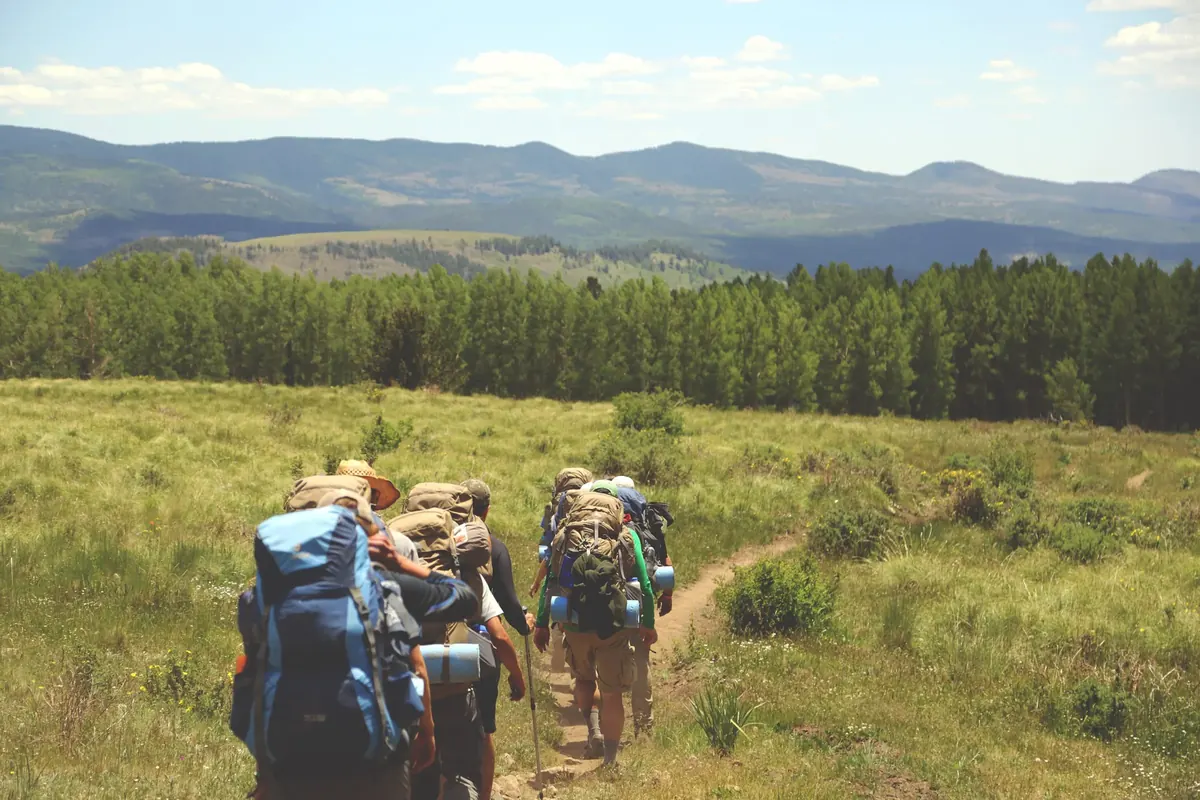
A first hike should be short enough to enjoy and well enough planned that nothing about it becomes a story. You do not need special gear beyond comfortable footwear and a small pack. You do need a sensible trail, a look at the weather, a few essentials and a time at which you will turn around, wherever you have got to.
Choose a trail you can finish
Beginners usually overestimate distance and underestimate climbing. Two numbers matter on any trail description:
- Distance, and whether it is one way, out and back, or a loop. "Three miles one way" is a six-mile day.
- Elevation gain, the total climbing. A flat path and a steep one of the same length are very different walks, and steep descents are hard on knees.
For a first outing, choose a well-used, well-signed trail with little climbing, ideally a loop or an out-and-back you can cut short. Local, state and national parks often grade their trails as easy, moderate or strenuous; start with easy. Read recent trip reports or the park's trail conditions page for closures, mud, washed-out bridges or snow.
Check the weather and the daylight
- Forecast: look at the forecast for the trail area, not just your town; hills and mountains are often colder, windier and wetter.
- Daylight: note the sunset time and work backwards. Plan to be back at the car with an hour or more to spare.
- Turnaround time: set a time at which you turn back whether or not you have reached the viewpoint. This one habit prevents most problems.
- Heat: on hot days, start early, choose shaded trails and carry more water than you expect to need.
Thunderstorms
If thunder is in the forecast, plan a short, low route or another day. The U.S. National Weather Service's lightning safety advice is blunt: there is no safe place outside during a thunderstorm, so plan to be off exposed ridges and summits before storms build, and if you hear thunder, head for a building or a hard-topped vehicle. Its lightning safety pages explain what to do if you are caught out.
Tell someone
Leave your plan with a friend: the trail, where you will park, and when you expect to be back, with an agreed time after which they should call for help. Phone signal on trails is often poor or absent, so do not count on calling from the trail.
The Ten Essentials
The Ten Essentials, as listed by the U.S. National Park Service, are a checklist of systems rather than specific products. On a short, easy hike, each can be very small.
Checklist
- Navigation: a map of the area and the means to read it; a phone with an offline map is a good extra, with a charged battery.
- Sun protection: hat, sunglasses, sunscreen.
- Extra clothing: a warm layer and a waterproof jacket, even on a fine morning.
- Illumination: a headlamp or small torch, in case you are slower than planned.
- First-aid supplies: plasters, blister dressings, any personal medication.
- Fire: matches or a lighter, for emergencies, where fires are allowed.
- Repair kit and tools: a small knife or multitool and a bit of tape.
- Nutrition: more food than you expect to eat.
- Hydration: enough water for the whole walk, plus some.
- Emergency shelter: a lightweight emergency blanket or bivvy bag.
It all fits in a small daypack. For a light, organised way to pack it, see packing light; the same "one of each, nothing twice" approach works on a trail.
What to wear
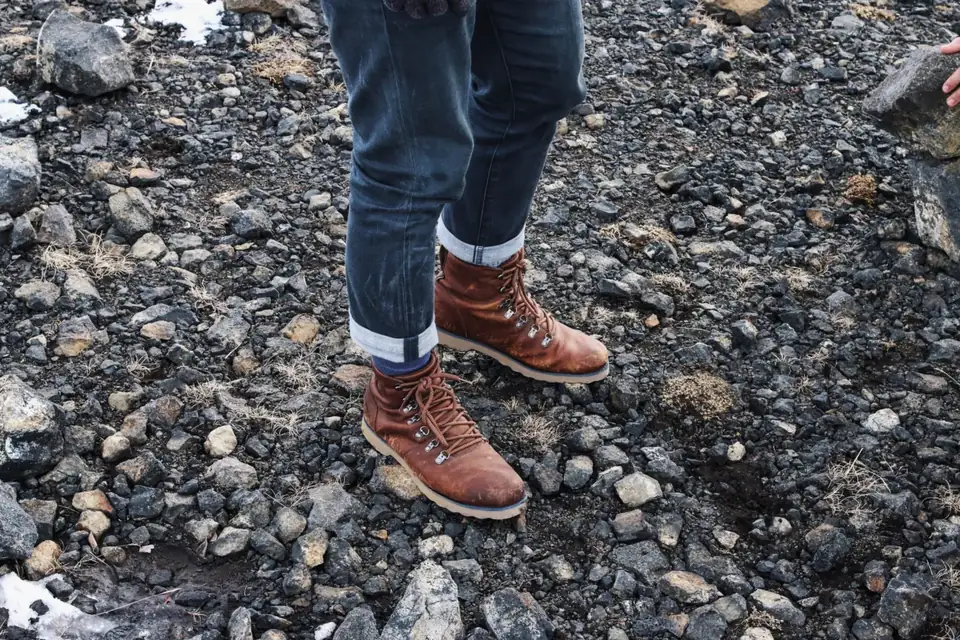
- Footwear you have already walked in. On an easy, dry trail, comfortable trainers with a grippy sole are fine. For rough or wet ground, trail shoes or boots help; see how to choose hiking boots for fit and breaking in.
- Socks that are not cotton: wool or synthetic socks stay drier and cause fewer blisters.
- Layers: a base layer that dries quickly, a warm mid-layer and a waterproof shell, so you can adjust as you warm up on climbs and cool down at stops.
- Avoid jeans in cold or wet weather: wet cotton stays wet and gets cold.
Food and water
Eat and drink little and often rather than waiting for a big lunch. Salty snacks, dried fruit, nuts, sandwiches and a piece of chocolate are all you need. Do not drink from streams without treating the water first; carry what you need on a short hike. Pack your rubbish out, including fruit peel and nut shells, which take a long time to break down and attract wildlife.
On the trail
Pace
Walk at a pace at which you can still talk. On climbs, shorten your steps rather than speeding up. Take a short break every hour or so, and check the time against your turnaround.
Navigation
Look at the map at every junction, not only when you think you are lost. If you realise you have gone wrong, stop, retrace your steps to the last point you were sure of, and continue from there.
Etiquette
- On narrow trails, hikers going uphill generally have the right of way.
- Step aside for horses on the downhill side and speak calmly so they know you are a person.
- Keep dogs on a lead where required, and pick up after them.
- Keep music to headphones; many people are there for the quiet.
Ticks and other small hazards
In many regions, ticks live in long grass and leaf litter along trails. The U.S. Centers for Disease Control and Prevention recommends using an EPA-registered insect repellent according to its label, checking your whole body (and children) after time outdoors, and showering soon after you come in. Stay in the middle of the path where you can. Know which plants to avoid locally, such as poison ivy or nettles, and give wildlife plenty of room.
Leave No Trace
The seven Leave No Trace principles are a simple code for keeping trails pleasant for the next person: plan ahead and prepare; travel and camp on durable surfaces; dispose of waste properly; leave what you find; minimise campfire impacts; respect wildlife; and be considerate of other visitors. On a day hike, that mostly means staying on the trail (shortcutting switchbacks causes erosion), carrying out everything you carried in, and leaving flowers, stones and feathers where they are.
Afterwards
Check yourself for ticks, look after any blisters, and note how long the walk actually took compared with your plan. That number is the best guide to your next trail. When short hikes feel easy, a first night outdoors is a natural next step; see family camping for beginners.
Sources
- U.S. National Park Service, The Ten Essentials, nps.gov.
- U.S. National Weather Service, Lightning Safety, weather.gov.
- U.S. Centers for Disease Control and Prevention, Preventing Tick Bites, cdc.gov.
- Leave No Trace Center for Outdoor Ethics, The Seven Principles, lnt.org.
 Trails & campsites
How to choose hiking boots
Trail shoes or boots, fit in the shop, breaking in, buying secondhand.
 Trails & campsites
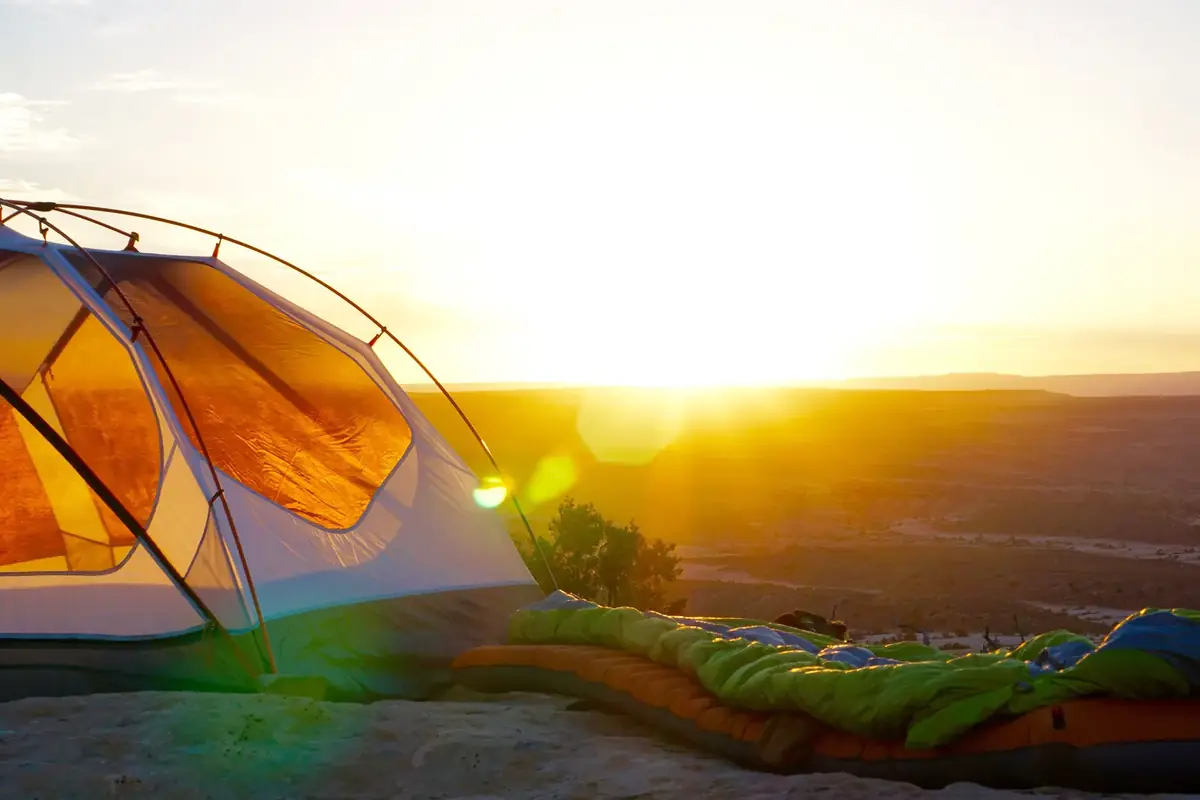
Family camping for beginners
Campground, gear, sleeping warm, food, and keeping kids happy.
 Trails & campsites
Packing light for a long weekend
One carry-on, a small wardrobe, liquids rules and a checklist.