Thanksgiving leftovers: how long they keep, how to pack them in a cooler, and three meals for a camp stove
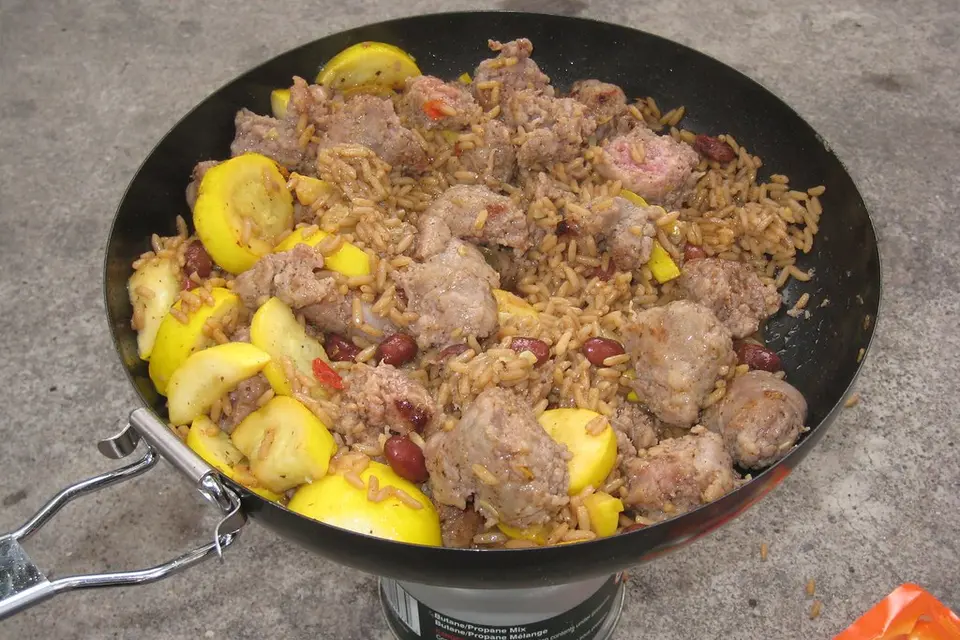
For many families, the Friday after Thanksgiving is the start of a long weekend outdoors: a day hike, a night at a state park, a drive to see the first snow. The fridge, meanwhile, is full of turkey, stuffing, gravy and half a pie. Taking leftovers along is a thrifty idea, as long as you respect a few simple rules about time and temperature. Here is what U.S. food-safety agencies advise, how to pack a cooler so the food stays cold, and three easy meals to cook on a camp stove.
The clock starts when dinner ends
The bacteria that cause food poisoning multiply fastest between 40 °F and 140 °F (about 4 °C to 60 °C), the range food-safety agencies call the danger zone. Cooked food should not sit in it for long. The guidance from the U.S. Food and Drug Administration (FDA) and the Department of Agriculture comes down to a few numbers worth remembering:
- Two hours. Refrigerate leftovers within two hours of cooking. If the food has been somewhere above 90 °F, such as a hot car or a sunny picnic table, the limit drops to one hour. After that, throw it out.
- Don't wait for it to cool. Hot food can go straight into the refrigerator. To help it chill quickly, carve the turkey off the bone, take the stuffing out of the bird, and divide large amounts into small, shallow containers.
- Three to four days. Leftovers keep three to four days in a refrigerator at 40 °F or below. For a dinner eaten on Thursday, that means finishing them, or freezing them, by Monday.
- The freezer stops the clock. Food kept at 0 °F stays safe indefinitely, although its quality fades; leftovers taste best if eaten within a few months.
- Reheat to 165 °F. Leftovers should reach 165 °F (74 °C), checked with a food thermometer. Bring gravy, sauces and soups to a rolling boil.
One more point that matters at camp: you cannot see, smell or taste most of the bacteria that make people ill. Food that has been left out too long can look and smell perfectly fine. When in doubt, the rule is simple: throw it out.
Packing leftovers in a cooler
A cooler is a refrigerator only if you treat it like one. The goal is to keep everything at 40 °F or below for the whole trip, which is easier in late November than in July, but still takes some care, especially in a warm car.
- Chill or freeze before you pack. Everything that goes in the cooler should already be cold. Freezing the leftovers you will eat on day two is the best trick of all: they act as extra ice and thaw slowly on the way.
- Use plenty of ice. A full cooler stays cold longer than a half-empty one. Block ice lasts longer than cubes; frozen water bottles do the same job and give you drinking water later.
- Pack in reverse order. Put the food for the last meal at the bottom, and the first meal on top, so you open the lid less often and for shorter moments.
- Keep drinks separate. A second small cooler for drinks spares the food cooler from being opened every half hour.
- Seal everything. Use leak-proof containers or zip bags, especially for gravy and anything with juices, and keep raw foods (if you bring any) at the bottom, away from the cooked leftovers.
- Keep it in the shade. In the car, put the cooler in the cabin rather than a hot trunk; at camp, keep it shaded, closed and off the ground.
- Bring a thermometer. A cheap appliance thermometer in the cooler tells you whether the food is still below 40 °F. Melted ice is not a problem in itself; warm water is.
Plan to eat cooked leftovers early in the trip. Even in a well-iced cooler, they are still subject to the three-to-four-day limit counted from Thanksgiving dinner, not from the day you leave. A Thursday dinner eaten on a Saturday at camp is fine; the same leftovers on Tuesday are not.
If you are camping where bears or raccoons are active, the cooler also has to be stored according to the campground's rules: in the car, a food locker or a bear box, never in the tent.
Three camp-stove meals
All three use one pan or one pot, and all three bring the food back to a safe temperature. A cast-iron skillet is ideal for the first and the third; our guide to buying and restoring a secondhand cast-iron skillet explains how to look after one.
1. Turkey and potato hash
Warm a spoonful of oil or butter in a skillet over medium heat. Add a diced onion and cook until soft, then two or three cups of leftover potatoes (mashed potatoes work if you press them into patties) and let them brown without stirring too often. Add two cups of chopped turkey and any roasted vegetables you have, season with salt, pepper and a little sage or thyme, and keep cooking, turning now and then, until everything is hot all the way through. Make a few hollows and crack an egg into each if you like; cover the pan until the eggs are set. A thermometer pushed into the middle of the hash should read at least 165 °F.
2. One-pot turkey soup
This is the warmest supper on a cold evening. In a pot, soften a chopped onion, a carrot and a stalk of celery in a little oil. Add a quart of broth (a carton travels well), any leftover gravy, and a handful of small pasta or rice. Bring to a rolling boil, then simmer until the pasta is tender. Add chopped turkey and leftover vegetables for the last five minutes and bring the soup back to a boil before serving. On a gas canister stove in freezing weather, keep the lid on to save fuel; our guide to cooking on a camp stove in freezing weather explains how to keep the canister working.
3. Skillet stuffing cakes
Leftover stuffing turns into crisp little cakes. Mix two cups of stuffing with one beaten egg (and a spoonful of broth if it is dry), shape into flat patties and fry them in a buttered skillet over medium heat for three to four minutes per side, until golden and hot in the center. Serve with slices of turkey warmed in the same pan and a spoonful of cranberry sauce. The egg holds the cakes together and must be cooked through, so do not rush them over a high flame.
And the pie?
Pumpkin pie, sweet potato pie and other custard pies are made with eggs and milk, so they belong in the refrigerator or the cooler like the rest of the leftovers, and follow the same timetable. Fruit pies such as apple are more forgiving, but they too keep better cold. A slice of pie and a mug of hot cocoa by the campfire is a fine way to end the long weekend; we have a recipe for hot cocoa on a cold evening, with a version for everyone.
A short checklist
Checklist
Leftovers on the road
- Leftovers in the refrigerator within two hours of dinner, in shallow containers
- Day-two portions frozen the night before you leave
- A cooler packed full, with block ice or frozen bottles, and a thermometer inside
- A separate cooler for drinks
- A food thermometer to check reheated food reaches 165 °F
- Gravy and soups brought to a rolling boil
- Anything left in the danger zone too long thrown out, not tasted
- All leftovers finished or frozen by the Monday after Thanksgiving
Cold in the cooler, hot in the pan, and finished by Monday: three habits that turn a fridge full of leftovers into easy meals for a long weekend outdoors.
Sources
- U.S. Food and Drug Administration, “Food Safety Tips for Healthy Holidays” (refrigerating within two hours, using leftovers within three to four days, refrigerator at 40 °F, bringing sauces and gravies to a rolling boil), content current as of 31 January 2025.
- U.S. Food and Drug Administration, “Safe Food Handling” (one hour above 90 °F, appliance thermometer, 165 °F for leftovers and casseroles).
- “Danger zone (food safety)”, Wikipedia, consulted 25 November 2026; U.S. Department of Agriculture, Food Safety and Inspection Service, guidance on leftovers and on freezing (food kept at 0 °F stays safe).
 Camp & seasonal kitchen
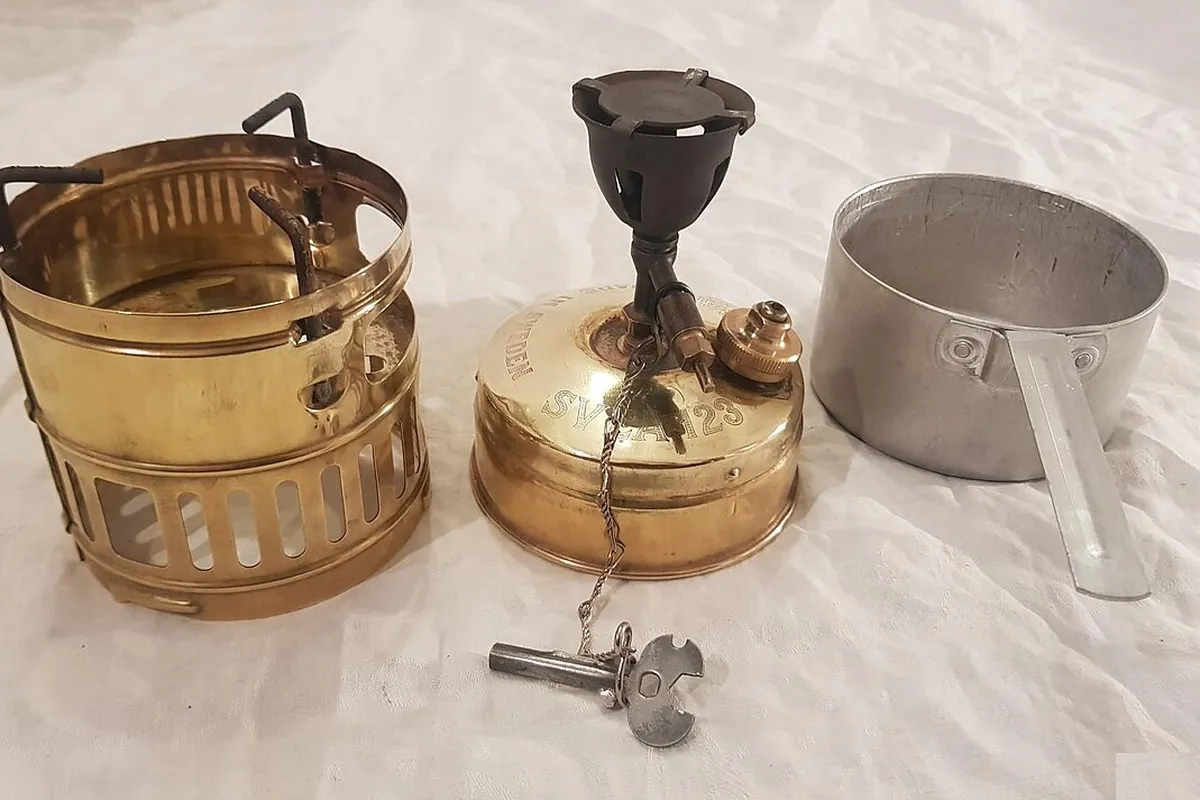
A camp stove in freezing weather
Why gas canisters fade in the cold, how to keep one going safely, when liquid fuel is worth it, and how to melt snow without burning the pot.
 Camp & seasonal kitchen
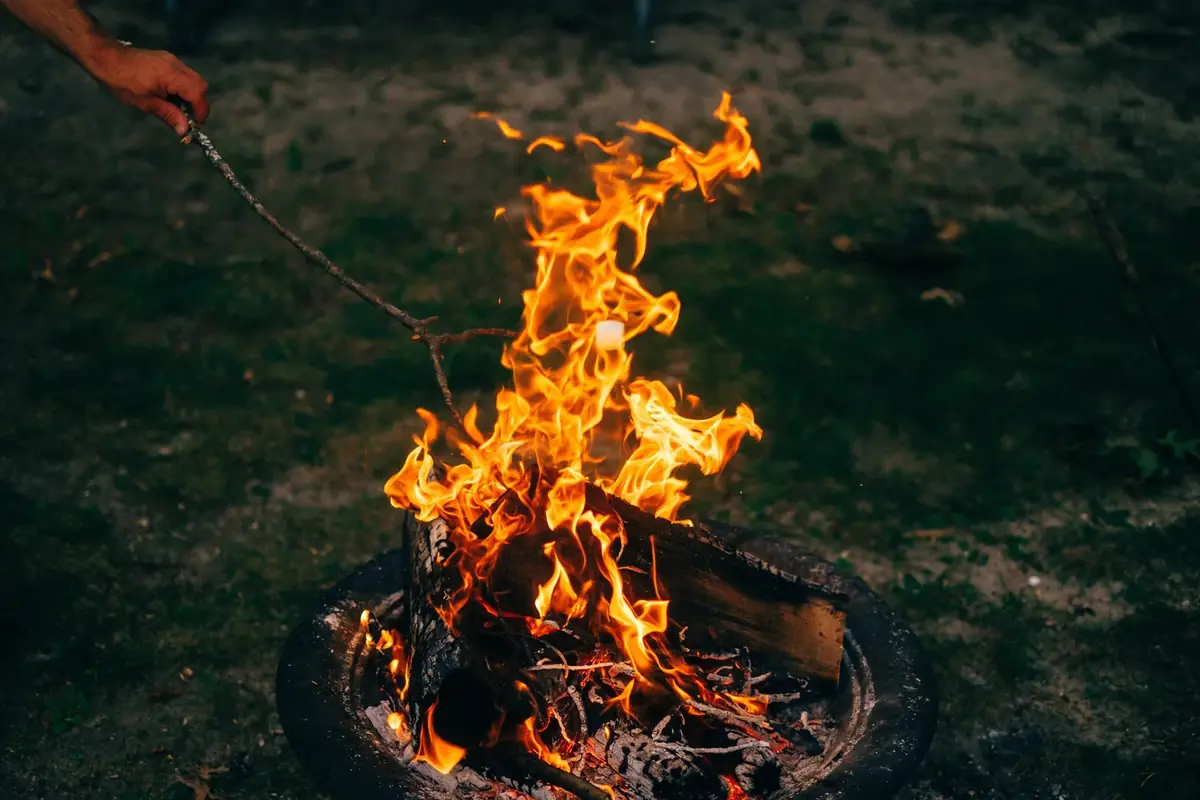
Campfire and camp stove safety
Stoves, fire rings, putting a fire out cold, and carbon monoxide.
 Camp & seasonal kitchen
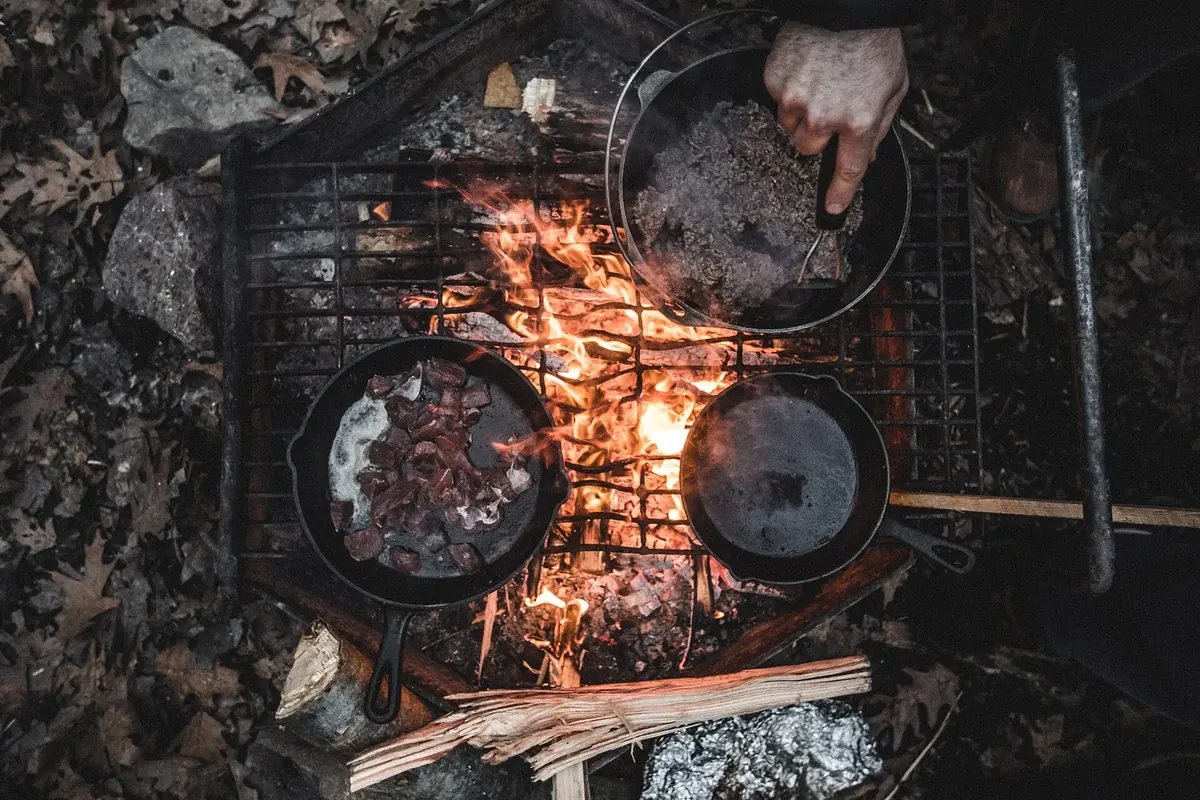
Secondhand cast-iron skillets
Spotting cracks and warps on the shelf, clearing rust, re-seasoning in the oven, and keeping it slick at home and at camp.