Staying warm on a cold night in a tent: pads, sleeping bag ratings, clothes and a few old tricks
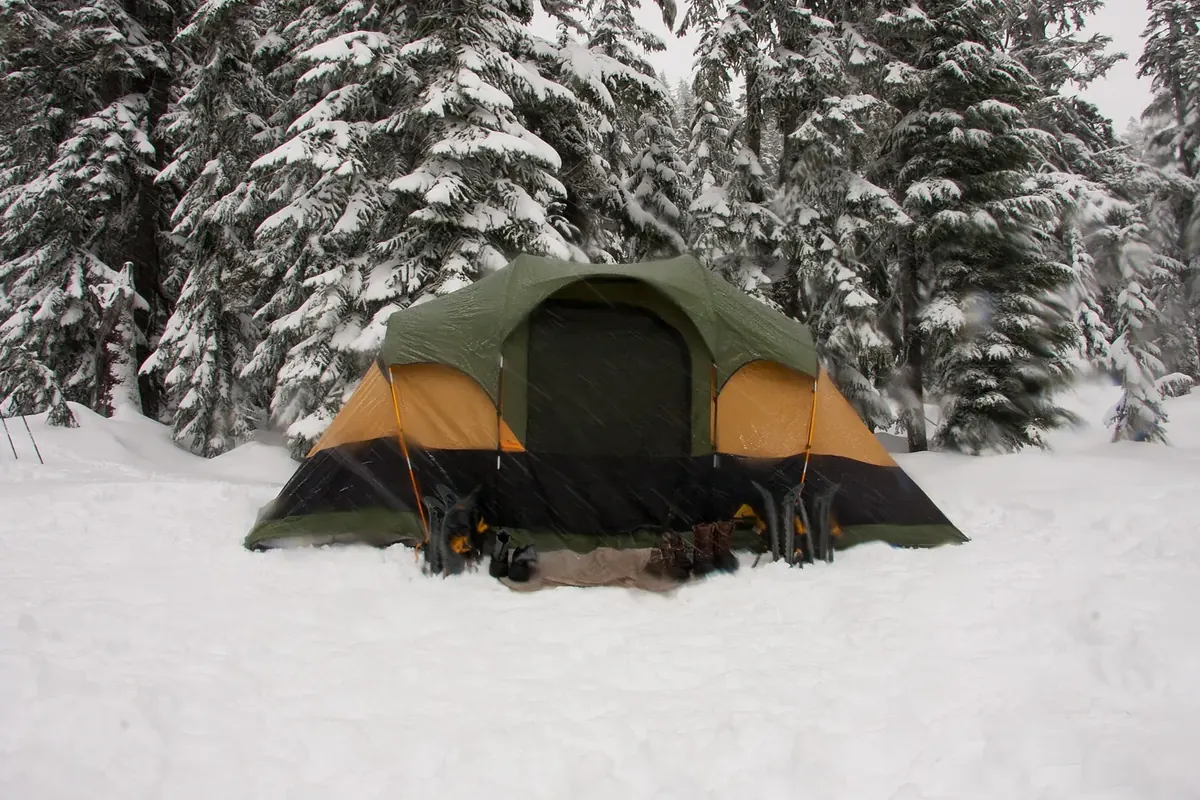
Campgrounds empty out after the first frost, and that is exactly when some of the best camping begins: no crowds, no bugs, clear skies and a fire that actually feels useful. The price is the night. A first cold-weather trip is usually remembered for one thing, how warm or how miserable the hours between midnight and dawn were, and that depends far less on luck than on a few choices made before you leave home.
Where the heat goes
Your body makes heat all night; staying warm is about losing it slowly. In a tent it escapes in four ways:
- Into the ground. Lying down presses your back, hips and shoulders against cold earth for eight hours. This is the big one, and the one beginners underestimate.
- Into moving air. Draughts through the tent and around the neck of the sleeping bag carry warm air away.
- Through damp. Sweat from the evening, breath inside the bag and condensation all make insulation work less well.
- Into the night sky, on clear nights, which are also the coldest ones.
The National Weather Service puts hypothermia in a single line: it happens when the body loses heat faster than it can produce it (NWS, cold weather safety). Everything below is about tipping that balance back.
The pad matters more than the bag
A sleeping bag's filling works by trapping air in its loft. Under your body, that loft is crushed flat, so the bag does almost nothing between you and the ground. The pad does that job.
A pad's insulation is given as an R-value: the higher the number, the more it resists heat flowing out of you. Major makers now test pads to a common ASTM standard (F3340), so numbers from different brands can be compared. Two facts make R-values practical:
- They add up. Two pads stacked insulate roughly as well as the sum of their R-values. A cheap closed-cell foam pad under an inflatable one is the classic way to make a summer setup work in the cold, and the foam keeps working if the inflatable gets a puncture.
- A plain air bed is cold. The big inflatable mattresses sold for guests and car camping have no insulation inside; the air in them circulates and carries your heat to the ground. In frosty weather, put a foam pad or a folded wool blanket on top of one, not underneath.
Snow, frozen ground and rock all draw heat quickly. If you only upgrade one thing for autumn and winter, upgrade what you sleep on.
What the numbers on a sleeping bag mean
Many bags carry temperatures from a laboratory test with a heated mannequin, set out in the international standard ISO 23537-1, which in 2016 replaced the older European EN 13537 (overview on Wikipedia). Up to three figures appear on the label:
- Comfort: The temperature at which a "standard" adult woman, lying relaxed, sleeps comfortably.
- Limit (or lower limit): The lowest temperature at which a "standard" adult man, curled up, is just not feeling cold. Lower than the comfort figure.
- Extreme: a survival figure only, at which there is a real risk of hypothermia. Never plan a trip around it.
The test assumes the sleeper wears a base layer and a hat and lies on an insulated pad. Many people sleep colder than the standard: buy by the comfort figure if you tend to feel the cold, and expect children, who lose heat faster, to need a warmer setup than adults. Bags with a single number and no mention of ISO 23537 or EN 13537 are rated by their maker's own method, which is not comparable from brand to brand. Treat that number as optimistic.
Three details count as much as the rating:
- Fit. An adult bag on a small child leaves a long space of air to heat. Fold up the foot or tie it off.
- Hood and collar. Pull the hood drawcord until only your face shows, and close any draught collar around your neck. Do not breathe inside the bag: breath is moist.
- Filling. Down is warm for its weight but loses most of its loft when wet; synthetic fills keep some warmth damp. For a damp autumn campground, synthetic forgives more.
A summer bag can be stretched a few degrees with a fleece liner, or a wool blanket or quilt laid on top. Laid on top, not stuffed inside, where it would compress the loft.
What to wear to bed
Change into dry clothes that you keep only for sleeping. The base layer you hiked in is damp with sweat even if it feels dry, and will chill you by midnight.
- Base layer of wool or synthetic, top and bottom. Cotton holds moisture and stays cold. A thrifted merino top is ideal; our guide to secondhand wool covers what to check.
- A hat, a thin one that stays on while you sleep.
- Dry socks, loose enough not to squeeze the feet.
- Not too much. Piling on every layer can make you sweat and can fill the bag so tightly that the loft is crushed. Add a puffy jacket over the top of the bag if you wake up cold.
Put tomorrow's base layer and socks in the bottom of the sleeping bag, so they are warm in the morning. Phone and spare batteries go in with you too, because cold drains them fast.
Warm up before you zip in
A sleeping bag holds heat; it does not make any. Getting in cold means hours of shivering to warm it up.
- Eat a proper dinner with some fat in it, and keep a snack by your head for the small hours.
- Have a warm drink, but skip alcohol: it makes you feel warmer while your body loses heat faster.
- Go to the toilet just before bed. Holding it keeps you awake, and getting up at two in the morning lets all the warmth out.
- Move for a minute or two before getting in: a brisk walk around camp or a few squats, enough to feel warm, not enough to sweat.
- A hot-water bottle. Fill a hard-sided bottle made for hot liquids with hot water from the stove, check the lid twice, and slip it into a sock. Hold it against your thighs or stomach. Never use a bottle that is soft, cracked or of unknown plastic, and never put boiling water near a child.
Pitching for a cold night
Choose a site sheltered from the wind, but avoid the very bottom of a valley or hollow: on clear, calm nights, cold air drains downhill and pools there. A spot a little way up the slope can be noticeably warmer. Open the tent's vents slightly even when it is cold, because a sealed tent fills with moisture from your breath, which turns to frost on the inner walls and drips on you at dawn. Wipe it with a cloth before it melts.
Safety
Never heat the tent
Do not bring a camp stove, lantern, charcoal grill, barbecue or fuel heater into a tent or a closed vehicle to warm it, even for a few minutes and even with the door open. They give off carbon monoxide, which has no smell and can kill sleeping people. Our campfire and camp stove safety checklist covers where to cook and when to put the fire out.
Knowing when to stop
Shivering that will not stop, clumsy hands, slurred speech, confusion or unusual tiredness are early signs that someone is getting too cold, and children may not say so. Act at once: get them out of wet clothes, into dry layers and a sleeping bag on a good pad, and give a warm, sweet drink if they are fully alert. If they do not improve quickly, or seem drowsy or confused, get them to a heated car or building and call emergency services.
For a first cold trip, the best insurance is a short distance to retreat. Camp near the car, check the forecast low (it is often lower near water and higher up), and agree in advance that bailing out at midnight is a sensible decision, not a failure. Our guide to family camping for beginners has more on choosing the campground and the first night.
Checklist
Packing for a cold night
- A pad rated for the season, or a foam pad to stack under your usual one
- A bag whose comfort rating is at or below the forecast low
- Dry wool or synthetic base layers, kept only for sleeping
- Hat, dry socks and a warm jacket for camp
- A hard-sided bottle for hot water, and a sock to put it in
- Snacks for the night and a plan B within a short walk
Sources
- National Weather Service, Cold weather safety: hypothermia and frostbite.
- Wikipedia, Sleeping bag: temperature ratings under EN 13537 and ISO 23537-1.
 Trails & campsites
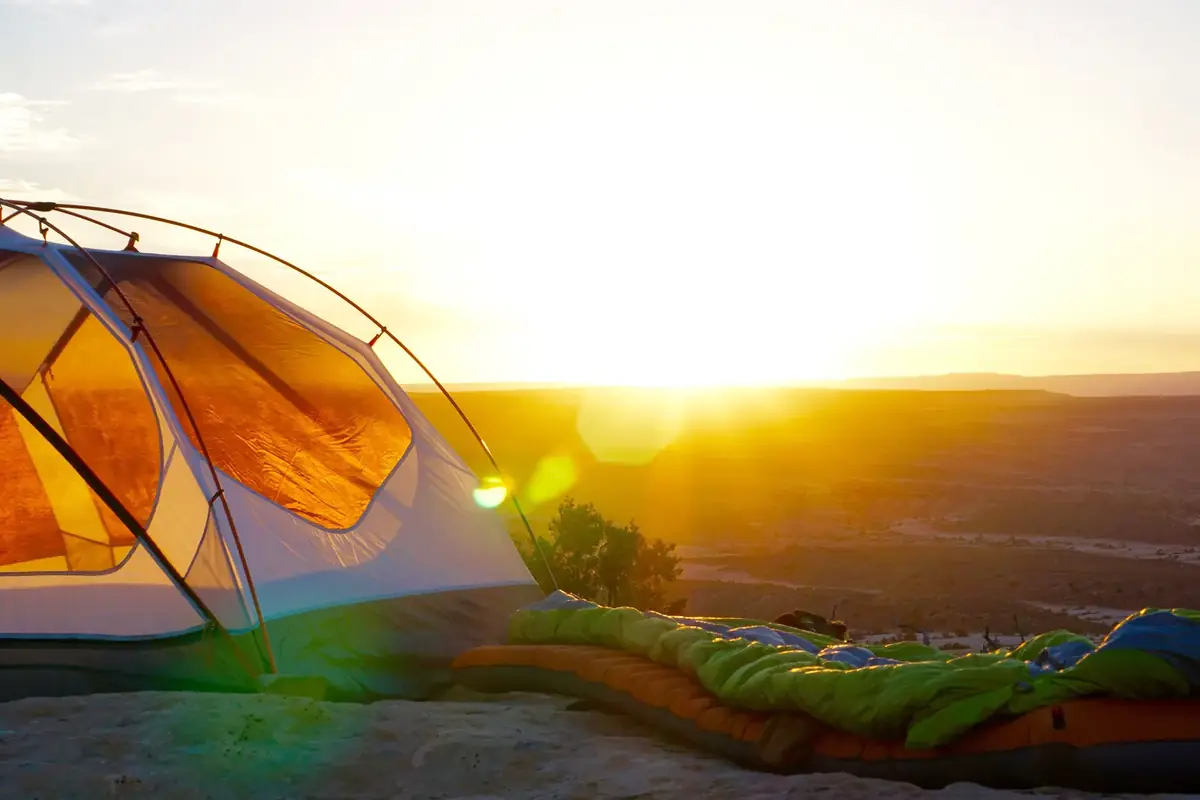
Family camping for beginners
Campground, gear, sleeping warm, food, and keeping kids happy.
 Camp & seasonal kitchen
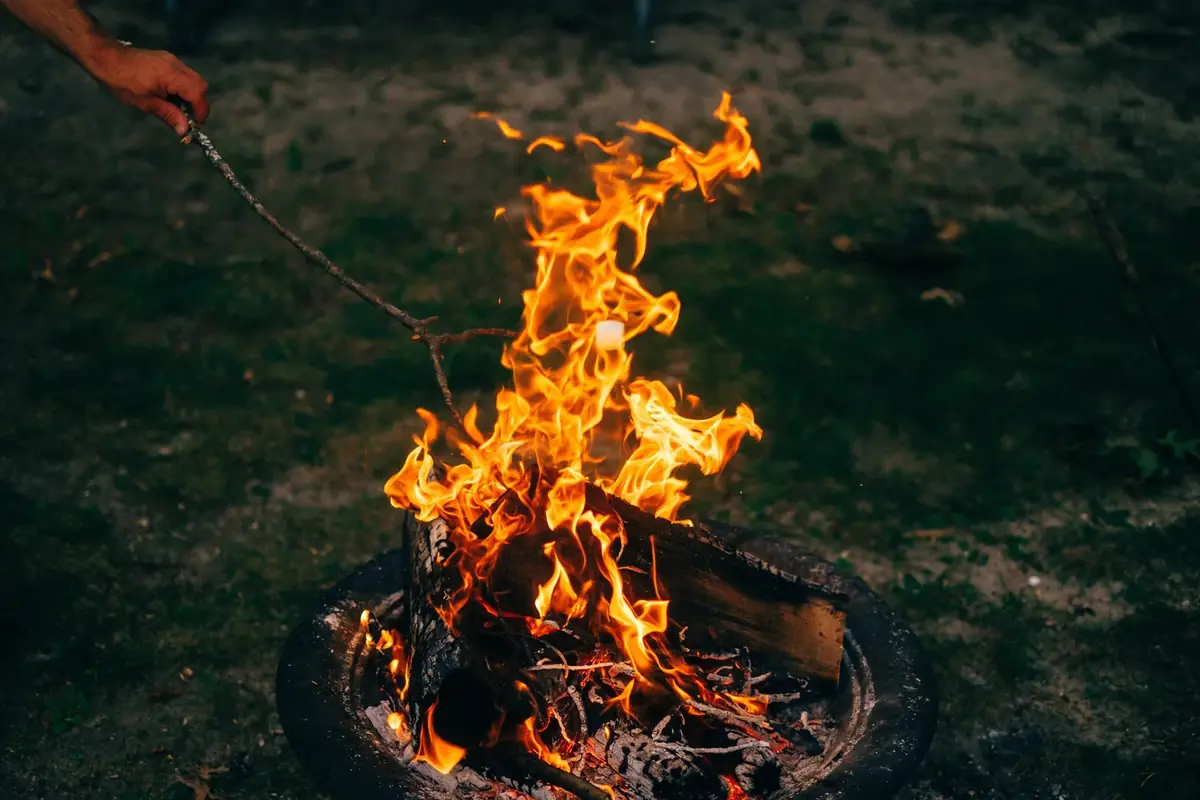
Campfire and camp stove safety
Stoves, fire rings, putting a fire out cold, and carbon monoxide.
 Trails & campsites
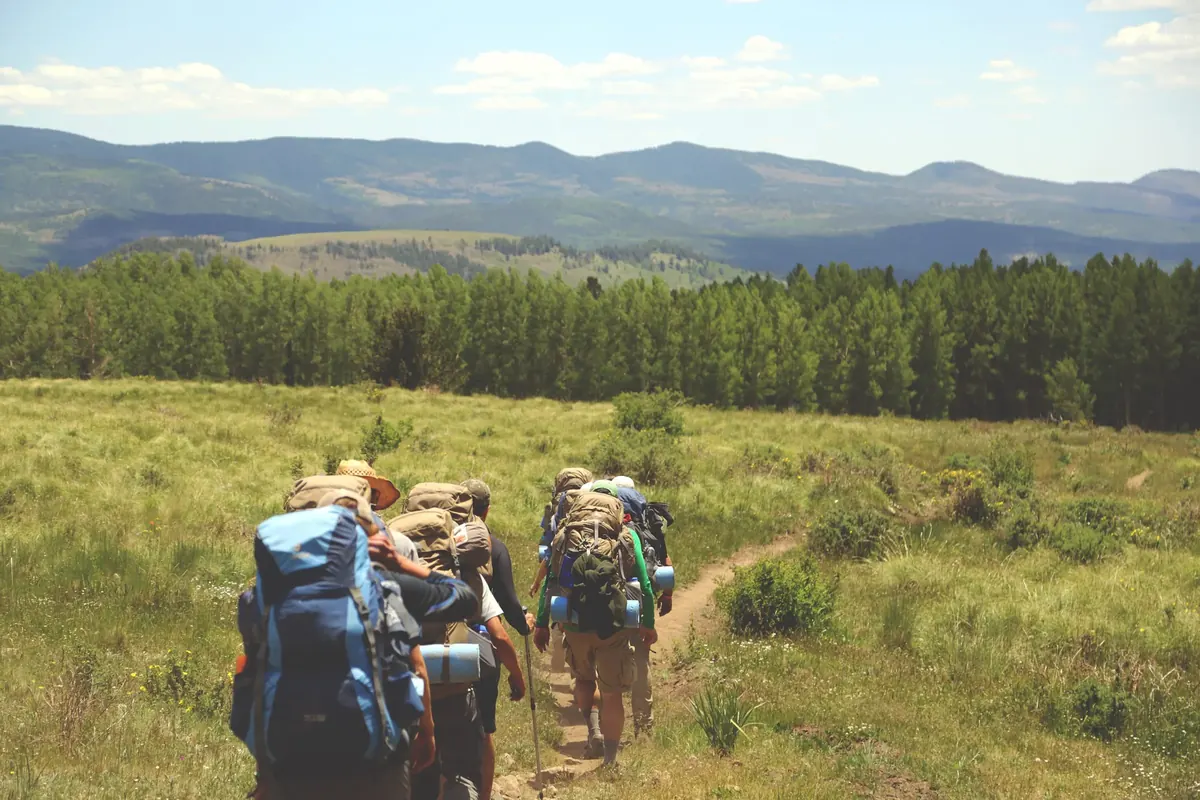
Your first day hike
A trail you can finish, the Ten Essentials, weather and daylight, and how to leave the trail as you found it.