Safe drinking water on a hike or at camp: when to boil, filter or disinfect, and what each one misses
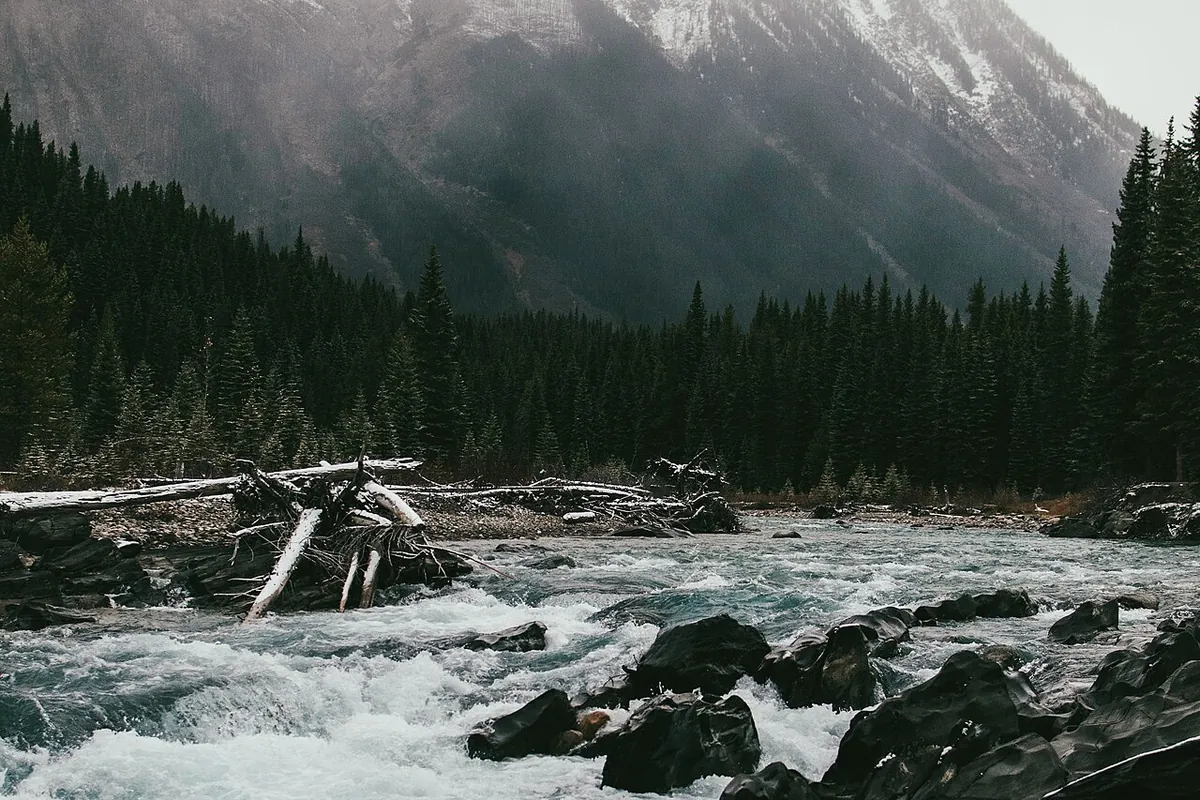
There is a moment on most first backpacking trips when the bottles run low and a stream comes into view, cold, fast and perfectly clear. It probably is not as clean as it looks. Water can carry bacteria, viruses and parasites without a hint of cloudiness or smell, and the stomach trouble they cause tends to arrive a day or two later, often after you are home and have forgotten the stream altogether. Treating water outdoors is not difficult, but each method has a blind spot, and knowing which one is the whole trick.
Why clear water is not clean water
The germs that make hikers and campers sick mostly come from animal and human waste washed into lakes, rivers and streams. The US Centers for Disease Control and Prevention says it plainly: drinking straight from a clear mountain stream is generally not safe (CDC, water treatment when hiking, camping or traveling). The same goes for a campground tap that is not marked as drinking water, a spring with no information posted, or a rain barrel at a hut.
It helps to sort the troublemakers into three groups, because each treatment deals with them differently:
- Parasites, such as Giardia and Cryptosporidium. The largest of the three, and the hardest to kill with chemicals, because they live inside tough protective shells.
- Bacteria, smaller, and killed fairly easily by heat and by disinfectants.
- Viruses, the smallest of all. Too small for ordinary portable filters, but sensitive to heat, chlorine and UV light.
Treated water is not only for drinking. The CDC also lists cooking, washing fruit, making drinks and brushing your teeth. Children, pregnant women, people over 65 and anyone with a weakened immune system are more likely to get sick, so be strictest when they are in the group.
Boiling: the method that gets everything
Heat kills all three groups. The CDC's instruction is to bring clear water to a rolling boil for one minute, or for three minutes above 6,500 feet (about 2,000 metres), where water boils at a lower temperature. A rolling boil means big bubbles that keep coming when you stir, not the first few tiny ones rising from the bottom of the pot.
If the water is murky, let it settle first, or pour it through a clean cloth or coffee filter, then boil the clearer water.
Boiling has two costs: fuel and time. It is ideal at a car campsite or for the evening's cooking water, and tedious for filling four litres of bottles at midday. It also means a stove going near your gear and your tent, so cook where our campfire and camp stove safety checklist suggests, and keep children away from a pot of boiling water on a wobbly burner.
Filters: read the small print
Squeeze filters, pump filters, gravity bags and filter bottles all push water through a material with very small holes. How small decides what they catch, and the CDC explains which numbers on the packaging matter:
- An absolute pore size of 1 micron or smaller, or certification to NSF standard 53 or 58 for cyst reduction or removal: removes parasites, but not viruses, and not all bacteria.
- An absolute pore size of 0.3 micron or smaller: removes parasites and bacteria, but still not viruses.
- Reverse osmosis: removes parasites, bacteria and viruses, and salt too. These units are rarely carried on foot.
Note the word "absolute". A "nominal" pore size is an average, and some larger holes let things through. Most lightweight hiking filters fall in the middle category: very good against parasites and bacteria, no protection against viruses. In remote mountain water used mostly by wildlife, many hikers accept that. Downstream of a busy campground, a village or grazing cattle, it is a real gap.
Filters need looking after. Backflush or rinse them as the maker describes, keep hollow-fibre filters from freezing (ice can crack the fibres without any visible sign, so sleep with it in your bag on cold nights, as you would with your phone in our cold-night camping guide), and never let the dirty hose or bag touch the clean bottle.
Chemical disinfection: tablets, drops and bleach
Disinfectants work the other way round from filters. Chlorine (including plain household bleach), iodine and chlorine dioxide kill bacteria and viruses well, but chlorine and iodine do poorly against parasites. Chlorine dioxide tablets do better: the CDC says they can kill Giardia and are somewhat effective against Cryptosporidium, but that filtering first is still the safest approach.
Three practical points:
- Follow the packet for dose and waiting time. Products differ, and the waiting time is part of the treatment. Cold water slows the chemistry down.
- Iodine is not for everyone. The CDC advises against it for anyone pregnant, with thyroid problems or sensitive to iodine, and says no one should drink iodine-treated water for more than a few weeks at a time.
- Household bleach works in a pinch, if it is plain and unscented. For bleach labelled 5 to 9 percent sodium hypochlorite, the CDC's emergency guidance is 2 drops per litre (or quart) of clear water, doubled if the water is cloudy or very cold, then a wait of at least 30 minutes (CDC, making water safe in an emergency). Check the label, because concentrations vary, and a dropper is worth carrying if you plan to rely on it.
UV pens
Battery or rechargeable UV devices are stirred in a bottle for the time stated by the maker. According to the CDC, they can kill parasites, bacteria and viruses, but only in small amounts of clear water: particles shade germs from the light. Filter or settle murky water first, and carry a backup method, because batteries go flat and electronics fail in the cold.
A routine that covers everything
No single lightweight method is perfect, so combine them so that each covers the other's gap. The CDC's own ranking is simple: boiling is best; the next best option is to filter and then disinfect the filtered water. On the trail, that looks like this:
- Collect the clearest water you can. Running water from the middle of a stream, not a stagnant pool, and upstream of where people camp or animals drink.
- Filter to remove parasites, bacteria and sediment.
- Disinfect the filtered water with tablets, drops or UV to deal with viruses.
- Keep clean and dirty apart. Mark the "dirty" bottle or bag, and do not dip the drinking bottle into the stream.
At a car campsite with a big water jug, boiling the day's drinking water each evening and letting it cool overnight is just as good and costs nothing but fuel. Our guide to family camping for beginners has more on what to bring to a first campground.
Warning
Water you cannot fix
Boiling, filters, tablets and UV deal with germs, not chemicals. Water near mine workings, below a road or a factory, with a fuel sheen, an odd smell or algae scum on the surface cannot be made safe by any of them; the CDC says to find another source. When in doubt, carry more from home or from a marked drinking-water tap.
Keeping the water clean for the next person
The same germs travel in the other direction. If there are no toilets, the CDC advises burying human waste at least 8 inches deep and at least 200 feet from lakes, rivers and streams, downstream of any place where people collect water. Wash dishes and yourself away from the water's edge too, and wash or sanitise your hands before cooking and eating: an upset stomach on a camping trip is very often a hand problem, not a water problem.
Checklist
Water kit for a day hike or a weekend
- Enough water from home for the first stretch, and a map showing where the next sources are
- A filter labelled 0.3 micron absolute or better, with its cleaning syringe if it has one
- Chlorine dioxide tablets or drops as the second step, and as a backup if the filter fails
- A marked "dirty" bottle or bag, and a bandana or coffee filter for silty water
- Stove, pot and fuel if you plan to boil
- Hand sanitiser and a small trowel
If you are still planning your first outing, start with our guide to your first day hike: on most short walks, carrying enough water from home is the simplest treatment of all.
Sources
- Centers for Disease Control and Prevention, About water treatment options when hiking, camping, or traveling: boiling, filters, disinfectants, UV and waste disposal.
- Centers for Disease Control and Prevention, How to make water safe in an emergency: boiling steps and bleach quantities.
 Trails & campsites
Your first day hike
A trail you can finish, the Ten Essentials, weather and daylight, and how to leave the trail as you found it.
 Camp & seasonal kitchen
Campfire and camp stove safety
Stoves, fire rings, putting a fire out cold, and carbon monoxide.
 Trails & campsites
Warm on a cold night in a tent
The ground steals more heat than the air: pads first, then what a bag's comfort rating means, what to wear and how to warm up.