Grilled cheese with crispy sage butter, at home or on a camp stove
A grilled cheese sandwich is one of the simplest hot meals there is, and one of the best things to cook on a camp stove at the end of a cold day. Frying a few sage leaves in the butter first turns it into something special: the leaves become crisp and fragrant, and the butter picks up their flavour before it ever touches the bread.
Ingredients (2 sandwiches)
- 4 slices of bread, about 1 cm (⅓ to ½ inch) thick: a country loaf, sourdough or a good sandwich bread
- 3 tablespoons butter
- 8 to 10 fresh sage leaves
- About 120 g (4 oz) cheese, grated or thinly sliced: a mix of a good melting cheese and a more flavourful one
- Optional: a thin layer of mustard, chutney or apple slices
- Salt and black pepper
Choosing the cheese
The best grilled cheese uses a blend: one cheese that melts smoothly and one that brings flavour.
| Melts beautifully | Adds flavour |
|---|---|
| Fontina, young Gouda, Monterey Jack, mozzarella (low-moisture), Havarti | Aged cheddar, Gruyère, Comté, a little Parmesan or Pecorino |
Very hard or very aged cheeses on their own tend to go oily rather than melting; mix them with a melting cheese. Grated cheese melts faster and more evenly than thick slices, which matters because the bread should not burn before the middle melts.
Method
- Make the sage butter. Melt the butter in a heavy frying pan, ideally cast iron, over medium-low heat. Add the sage leaves in a single layer and let them sizzle gently until crisp and the butter smells nutty, about two minutes. Lift the leaves out onto a plate. Pour the butter into a small bowl, leaving the pan lightly greased.
- Prepare the bread. Brush one side of each slice with the sage butter. Turn two slices butter-side down on a board.
- Fill. Spread mustard or chutney if using. Pile on the cheese, nearly to the edges. Add a few crispy sage leaves, a little pepper, then the remaining slices, buttered side up.
- Cook slowly. Put the sandwiches in the pan over medium-low heat. Cover with a lid or an upturned plate; trapping the heat helps the cheese melt. Cook for 3 to 4 minutes, until the underside is deep golden.
- Flip with a wide spatula, press down gently, cover again and cook the second side until golden and the cheese has melted.
- Rest for a minute before cutting, so the cheese does not all run out. Top with the remaining sage leaves and a pinch of salt.
Getting a golden crust without burning
- Keep the heat moderate. High heat browns the bread long before the cheese melts.
- Butter the bread, not the pan, for an even crust. A thin layer of mayonnaise instead of butter also browns well and is harder to burn.
- Use a lid to melt the cheese.
- Don't overfill. Too much cheese takes too long to melt and leaks into the pan.
On a camp stove
A grilled cheese is a perfect camp meal: few ingredients, one pan, and ready in minutes.
- Use a heavy pan, such as a small cast-iron skillet. Thin camping pans have hot spots that burn the bread; keep the flame low and move the sandwich around.
- Prepare at home. Grate the cheese and make the sage butter in advance; keep both cold in a cool bag.
- Set up the stove safely: on a stable, level surface, away from the tent and anything flammable, and never inside a tent. Our campfire and camp stove safety checklist explains why.
- Over a fire, a long-handled sandwich iron (a pie iron) works well. Butter the outside of the bread, close the iron and hold it over glowing embers rather than flames, turning often.
After dinner, the same pan and stove can make dessert: campfire doughnuts from canned biscuits are a crowd-pleaser.
Variations
- Apple and cheddar: thin apple slices with aged cheddar and the sage butter.
- Mushroom: sautéed mushrooms with Gruyère.
- Tomato: thin slices of ripe tomato, well drained, with mozzarella and basil instead of sage.
- Herbs from the garden: thyme, rosemary or chives work in the butter too. Our guide to growing mint covers another easy herb, though mint is better saved for sweet things.
- With soup: a grilled cheese and a bowl of tomato or squash soup is a classic cold-weather dinner.
What to serve with it
- A sharp green salad with a mustard vinaigrette, to cut the richness.
- Pickles or quick-pickled onions, for crunch and acidity.
- A bowl of soup: tomato, roasted squash or a simple vegetable broth.
- Fruit: crisp apples or pears go well with most cheeses.
Common problems and fixes
| Problem | Likely cause | Fix |
|---|---|---|
| Bread burnt, cheese still firm | Heat too high | Lower the heat, use a lid, grate the cheese |
| Pale, soft crust | Heat too low or too little butter | Raise the heat slightly; butter edge to edge |
| Greasy sandwich | Too much butter, or only very aged cheese | Brush butter thinly; mix in a melting cheese |
| Sage leaves soft | Butter not hot enough, or leaves crowded | Fry in one layer until they stop sizzling |
About sage
Common garden sage is a hardy perennial in many climates and easy to grow in a sunny pot or bed with good drainage. Pick leaves as you need them, and cut the plant back lightly in spring to keep it bushy. The soft, grey-green leaves crisp beautifully in butter or oil; once fried, they keep their crunch for an hour or so, so cook them just before serving.
Checklist
Camp grilled cheese kit
- Bread and grated cheese blend
- Sage butter, made at home
- Heavy pan with a lid or plate
- Wide spatula
- Stove on a stable, level surface outdoors
 Camp & seasonal kitchen
Campfire doughnuts from canned biscuits
Gear, oil depth and temperature, frying safely outdoors, coatings.
 Camp & seasonal kitchen
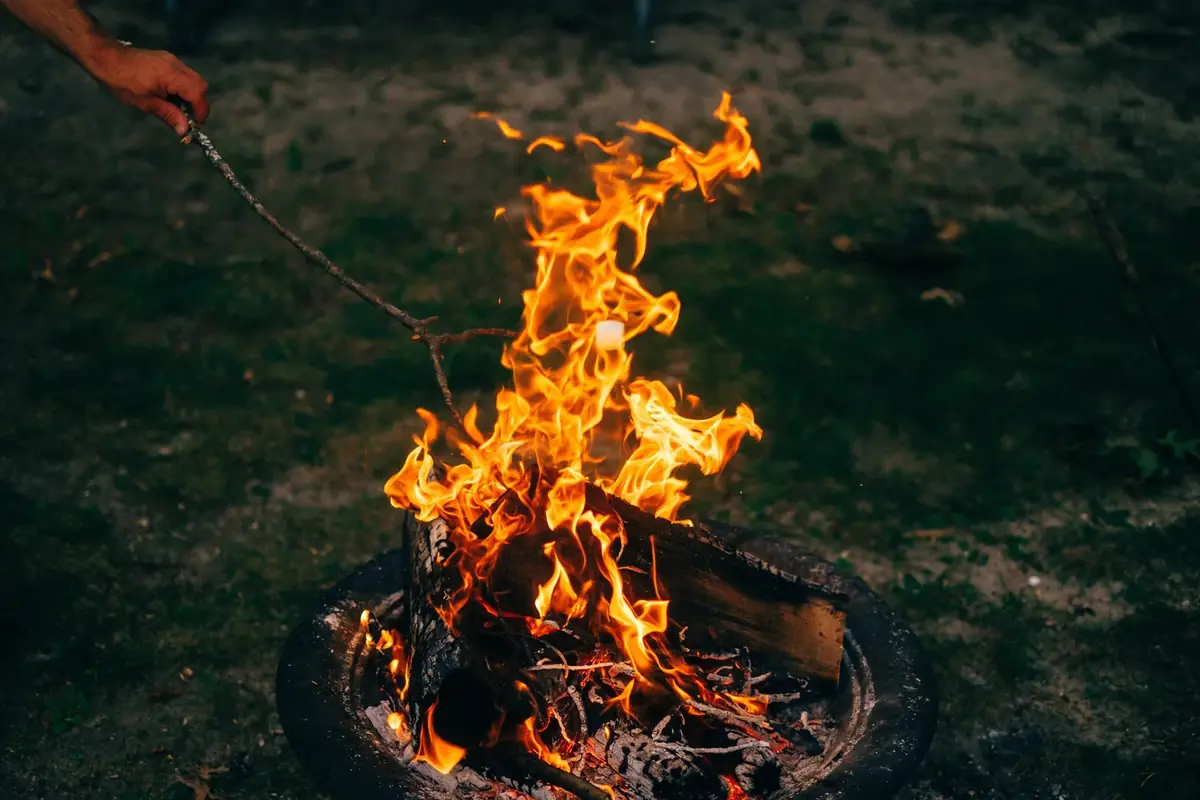
Campfire and camp stove safety
Stoves, fire rings, putting a fire out cold, and carbon monoxide.
 Camp & seasonal kitchen
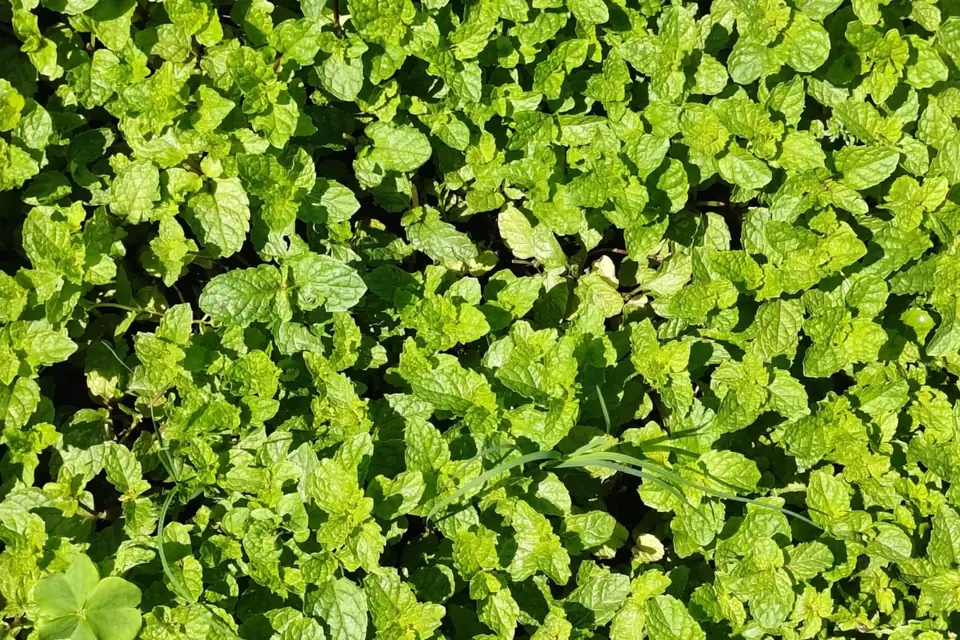
Growing mint all season
Pots, not beds; cutting back; and using a big harvest.