Growing mint and using it all season
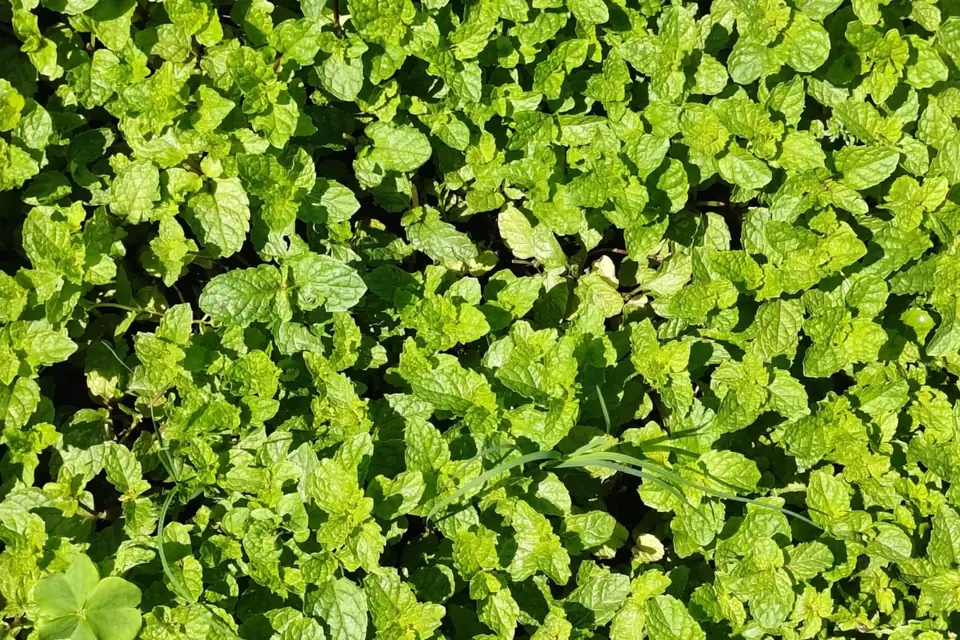
Mint is one of the easiest herbs to grow and one of the hardest to keep in its place. A single plant can supply tea, salads, sauces and ice cream from late spring to autumn. The trick is to give it a container and to keep cutting it.
Why mint spreads
Mint spreads by rhizomes, underground stems that creep sideways and send up new shoots along their length. In an open bed, a small plant can colonise a large area in a season or two and push into neighbouring plants. The Royal Horticultural Society recommends growing mint in a container to stop the rhizomes spreading into surrounding soil (RHS, how to grow mint).
Choosing a mint
There are many species and hybrids. A few common ones:
| Type | Flavour | Good for |
|---|---|---|
| Spearmint (Mentha spicata) | Sweet, mild, the "garden mint" taste | Mint sauce, salads, mojitos, ice cream, tea |
| Peppermint (Mentha × piperita) | Sharper and cooler, with a menthol bite | Tea, chocolate desserts |
| Moroccan mint (a spearmint variety) | Clean, strong spearmint | Sweet mint tea |
| Apple mint (Mentha suaveolens) | Soft, slightly fruity; furry leaves | Drinks, fruit salads |
| "Chocolate" or "pineapple" mints | Named varieties with subtle scent notes | Mostly for curiosity and garnish |
Many named mints do not come true from seed, so the reliable way to get a particular flavour is to buy a young plant or take a piece from a friend's plant. Crush a leaf and smell it before you buy: flavour varies a lot even within one type.
Planting
In a pot
- Use a pot with drainage holes and fresh multipurpose or soil-based compost. Bigger is better: a wide pot dries out more slowly and gives the rhizomes room.
- Put it where it gets sun for part of the day. Mint grows in sun or partial shade; in hot inland summers, afternoon shade helps keep leaves tender.
- Keep different mints in separate pots. Planted together, the strongest usually smothers the others.
In the ground
If you want mint in a bed, sink a large bottomless or drained container into the soil with its rim a few centimetres above ground level, then plant inside it. Check the rim every summer: stems that flop over can root on the other side.
Care through the season
- Water. Mint likes moist soil. Pots in summer can need water daily in hot weather; water when the top of the compost feels dry.
- Feed lightly. A balanced liquid feed now and then in the growing season keeps pot-grown plants leafy. Too much fertiliser gives soft, less fragrant growth.
- Pick often. Regular harvesting of young tips keeps the plant bushy and compact. Pinch or cut stems just above a pair of leaves; two new shoots will grow from that point.
- Cut back when it flowers. Once mint flowers, the leaves get smaller and the stems woody. Cut the whole plant back by about half to two-thirds and it will regrow fresh leaves within a few weeks.
- Watch for rust. Orange spots under the leaves are mint rust, a fungal disease. Remove and bin affected stems (do not compost them) and give the plant more air.
- Winter. Most mints die back to the ground in cold winters and regrow in spring. Clear the dead stems and keep the pot from becoming waterlogged.
Dividing and repotting
After two or three years in the same pot, mint becomes a congested mat of rhizomes and grows weakly in the middle. In spring, tip it out, cut the clump into pieces with a knife or spade, and replant one healthy, young section in fresh compost. Give the extra pieces away; it is the easiest plant to share. The RHS suggests repotting every few years for this reason.
You can also root mint from cuttings. Put a 10 cm stem tip in a glass of water on a bright windowsill; roots usually appear within a couple of weeks, after which it can be potted up.
Harvesting and storing
- Pick in the morning, after the dew dries and before the heat of the day, when leaves are fresh and full.
- For the fridge, stand stems in a glass of water like a bouquet, loosely covered with a bag, or wrap leaves in a barely damp towel inside a box. They keep for several days.
- Drying. Hang small bunches upside down in a warm, airy, shaded place until the leaves crumble, then strip them into a jar. Dried mint is good for tea and for cooked dishes, less so for fresh uses.
- Freezing. Chop leaves and freeze them in ice cube trays topped up with water, or whole leaves spread on a tray and then bagged. Frozen mint goes limp when thawed, so use it in drinks, sauces and cooking.
Ways to use a lot of mint
Drinks
- Fresh mint tea. A small handful of leaves in a mug of just-boiled water, steeped for about five minutes. Add a slice of lemon or a little honey if you like.
- Mint water. A few sprigs and some cucumber slices in a jug of cold water in the fridge.
- Mint syrup. Heat equal volumes of sugar and water until the sugar dissolves, take off the heat, add a handful of leaves, steep for 20 to 30 minutes and strain. Keep it in the fridge and use within a couple of weeks for lemonade, iced tea or fruit salad.
Food
- Mint and peas, with butter or in a soup.
- Shredded into grain salads such as tabbouleh, with parsley, lemon and olive oil.
- Mint yoghurt sauce: grated cucumber, chopped mint, a little garlic and salt stirred into plain yoghurt.
- Torn over watermelon, strawberries or feta.
- Classic mint sauce: finely chopped leaves, a little sugar, a splash of boiling water to dissolve it, then vinegar to taste.
- And for dessert: fresh mint chip ice cream, made by steeping leaves in the cream.
A note on mint oil
Fresh mint leaves in food and drinks are an everyday ingredient. Concentrated peppermint essential oil is different: it is much stronger, and it should not be swallowed or used on young children unless a health professional advises it. Keep essential oils out of reach of children and pets.
Quick summary
- Grow it in a pot, or in a sunken container in a bed.
- Keep it moist and pick it often.
- Cut it back hard when it flowers.
- Divide every few years in spring.
 Camp & seasonal kitchen
Fresh mint chip ice cream
Steeped real mint, a custard or egg-free base, chocolate shards.
 Home & handmade
Macramé for beginners
Cord, four basic knots and a first plant hanger.
 Camp & seasonal kitchen
Campfire doughnuts from canned biscuits
Gear, oil depth and temperature, frying safely outdoors, coatings.