Glamping and tent cabins: comfortable camping for beginners (with notes on Big Sur)
Glamping, short for "glamorous camping", sits between a campsite and a hotel: you sleep outdoors, under canvas or in a simple cabin, but someone else provides the tent, the bed and sometimes much more. For people who love the idea of the woods or the coast but not a night on the ground, it is a gentle way in. It is also perfect for couples, anniversaries and anyone who wants to disconnect for a couple of days without carrying a lot of gear.
What you can expect
| Type | Usually provided | Usually not |
|---|---|---|
| Tent cabin | Canvas walls on a platform, beds or mattresses, sometimes electricity | Private bathroom, heating, bedding (check) |
| Safari or bell tent | Large canvas tent, real beds, linens, rugs, lamps | Kitchen; bathrooms may be shared |
| Yurt | Round structure with wooden frame, often a stove or heater | Varies widely |
| Rustic cabin | Solid walls, beds, sometimes a kitchenette | Linens and towels at some parks |
The word "glamping" covers everything from a basic tent cabin in a state park to a luxury tent with a wood stove and a private deck. Read the listing carefully; the difference in comfort, and price, is huge.
Booking
- Book early for weekends and summer. Popular sites, especially on famous coasts and near national parks, fill months ahead.
- Check bedding and towels. Some places supply everything; others provide only a mattress.
- Check bathrooms: private, shared, or a walk away. Bring a headlamp either way.
- Check heating and power, especially for spring and autumn trips.
- Check food options: on-site restaurant or shop, communal kitchen, grill, or nothing.
- Read the cancellation policy, because wildfires, storms and road closures can affect outdoor stays.
What to bring, even when "everything" is provided
- Warm layers. Canvas walls do not hold heat. Even in summer, nights near the coast or in the mountains can be cold.
- A warm hat and thick socks for sleeping.
- A headlamp or torch for the walk to the bathroom.
- Your own pillow, if you are particular about it.
- Sturdy shoes for paths and trails, and slip-ons for night trips outside.
- Earplugs: canvas walls let in every sound, from rain to neighbours.
- A small first-aid kit, insect repellent and sunscreen.
- A bag for dirty or damp clothes.
Our guide to family camping for beginners has a full gear list, useful if your glamping site provides less than you expect.
Staying warm and dry
Damp, not cold, is often the real problem in a tent. Air the tent during the day, keep wet things outside or in a separate bag, and change into dry clothes before bed. If a heater is supplied, follow the instructions exactly. Never bring a fuel-burning heater or a camp stove into a tent or cabin to warm it: carbon monoxide can build up in enclosed spaces. Our campfire and camp stove safety checklist explains the risk.
Food
Glamping sites range from full restaurants to nothing at all. A simple plan:
- A cool bag with breakfast, picnic lunches and snacks.
- One special meal out, if there is somewhere good nearby.
- One evening cooked over the fire or grill, if allowed. Easy treats such as campfire doughnuts make it feel like real camping.
- Food stored as the site instructs: in a locker, the car or a cabin, never in a canvas tent in areas with bears or raccoons.
Fire rules
Fire restrictions are common on dry coasts and forests, sometimes for months at a time. Check the current rules for the site and the area before you go, and on arrival. Use only the fire rings or grills provided, keep fires small, never leave them unattended, and put them out cold before bed.
Planning a trip to a remote coast such as Big Sur
The rugged Big Sur coast in California is one of the best-known glamping and camping destinations in the U.S., and it shows the planning that remote coasts need:
- Roads can close. The coastal highway has been closed in places by landslides and storms in past years, sometimes for long periods. Check current conditions with Caltrans before you leave (Caltrans QuickMap).
- Mobile coverage is patchy. Download maps and booking details in advance, and tell someone your plans.
- Fuel and shops are limited. Fill the tank and buy supplies before you head into remote stretches.
- Weather changes quickly. Fog, wind and sun can follow each other in a single afternoon.
- Book well ahead. Accommodation is limited and popular.
The same points apply to many remote coastlines and mountain areas. Losing your phone signal for a couple of days can be the best part of the trip, as long as you planned for it.
Glamping with children or a group
Larger tents and cabins make glamping a good way to introduce children or less outdoorsy friends to camping. Check the number of real beds against the number of people, since "sleeps six" can include a sofa bed or floor mattresses. Bring a few familiar comforts for children, such as their own pillow and a night light, agree on rules about fires, water and wandering on the first evening, and plan short, easy activities: a nature walk, stargazing, a game by lamplight. Keep the first trip to one or two nights so everyone leaves wanting more.
Leaving the site as you found it
Even when someone else cleans the tent, the surroundings depend on visitors. Take rubbish to the bins provided or home with you, keep to paths, keep noise down after dark, and never feed wildlife. Small habits protect the places that make glamping worth doing.
Enjoying it
The appeal of glamping is time: no tent to pitch, no gear to wrangle, just the sound of wind in the trees and a long breakfast outside. Plan one walk a day, leave the rest open, and bring a book. If you get a taste for it, the step to a regular campsite is smaller than it looks.
Checklist
Glamping bag
- Warm layers, hat, thick socks
- Headlamp, earplugs
- Sturdy shoes and slip-ons
- Cool bag with breakfasts and picnics
- First-aid kit, repellent, sunscreen
- Offline maps; road and fire rules checked
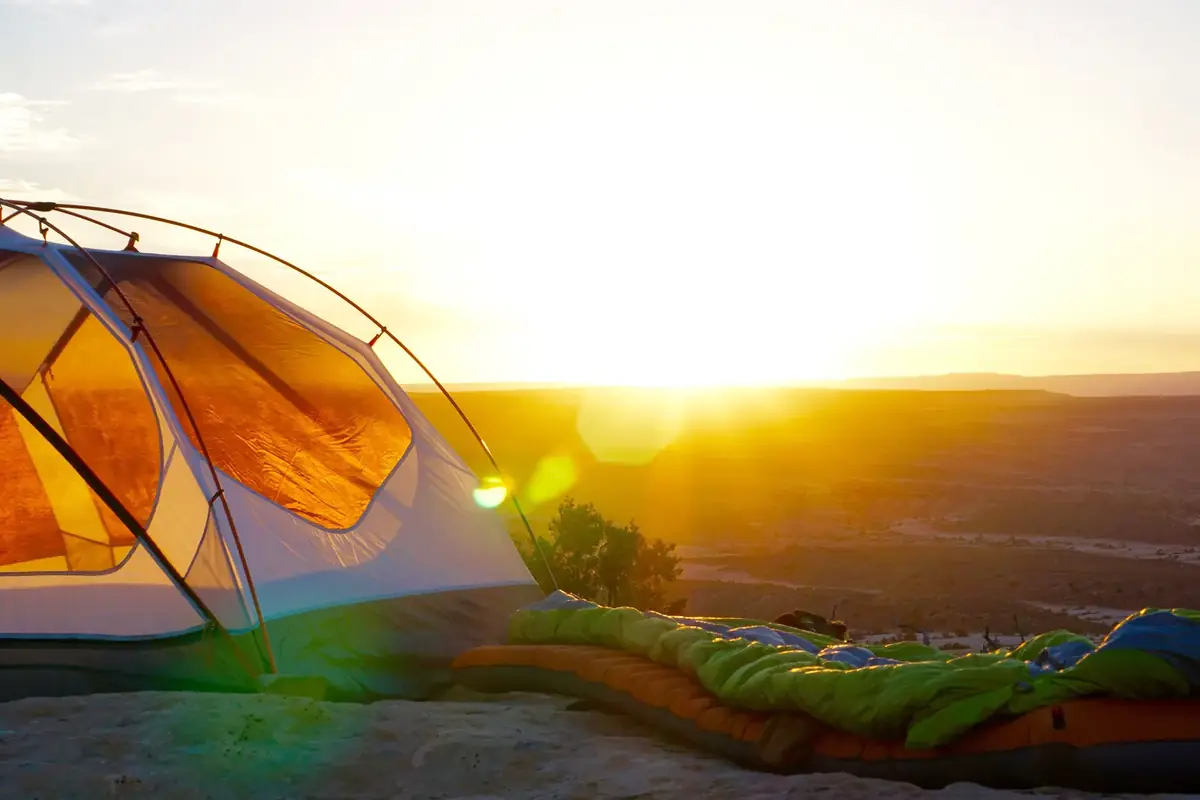 Trails & campsites
Family camping for beginners
Campground, gear, sleeping warm, food, and keeping kids happy.
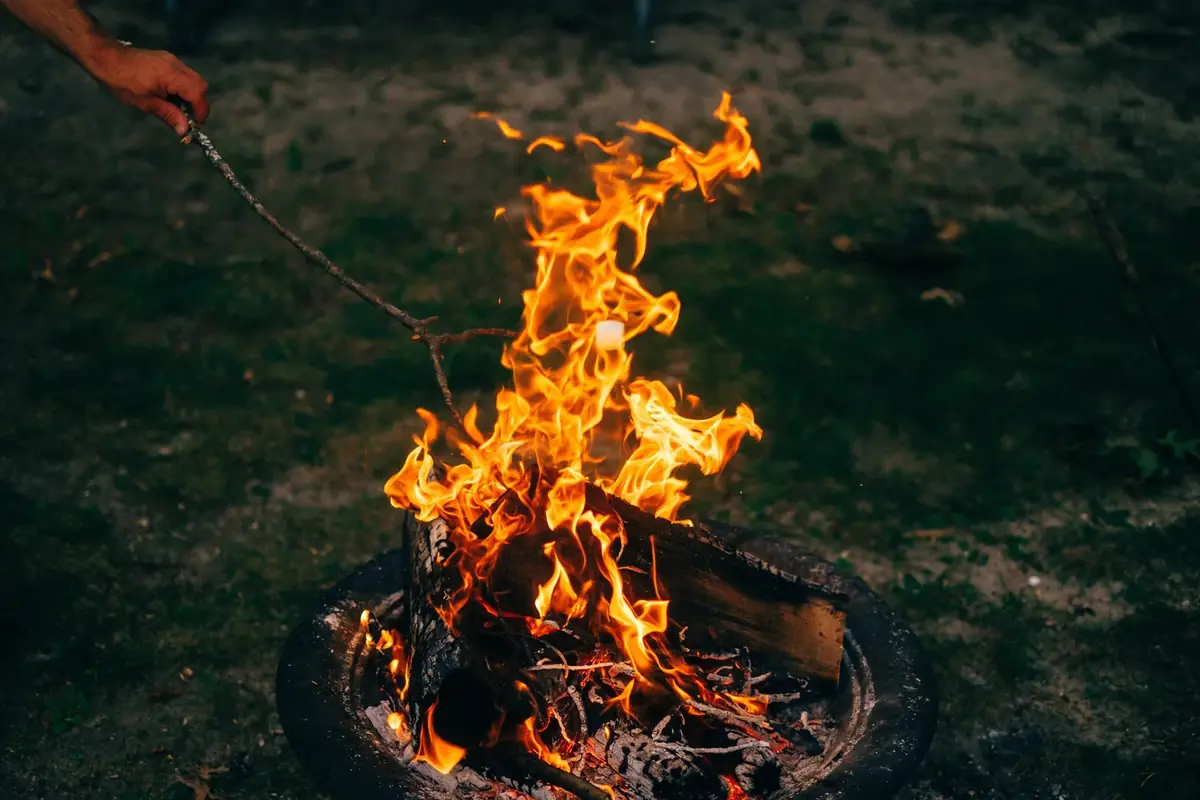 Camp & seasonal kitchen
Campfire and camp stove safety
Stoves, fire rings, putting a fire out cold, and carbon monoxide.
 Camp & seasonal kitchen
Campfire doughnuts from canned biscuits
Gear, oil depth and temperature, frying safely outdoors, coatings.